False alarms have long been treated as a cost of doing business, but this scenario is rapidly changing as alarms are becoming a strategic security challenge.
Traditional alarm monitoring models generate extremely high false alarm rates—up to 98% of alarm activations do not represent real incidents. This creates unnecessary costs, erodes credibility with emergency responders, and slows response when genuine threats occur. In response, municipalities are increasingly introducing false alarm fines, verified‑response requirements, and prioritized police response only for alarms that confirm a crime in progress.
Modern alarm verification, using video verification monitoring, audio verification, AI‑assisted analytics, and smarter detection, can help your organization reduce false alarms and improve response confidence. This article explains how verified alarm systems work, why they matter in 2026, and how your organization can move from reactive monitoring to trusted, actionable signals.
The false alarm problem: Why alarm verification matters
Traditional alarm monitoring follows a “detect and notify” model: a sensor triggers, a signal is sent, and a response process begins. The challenge is that most alarms lack context.
These legacy systems do not confirm whether an actual threat exists, which directly contributes to false alarm rates approaching 98%. This has tangible consequences: wasted police resources, delayed response to real emergencies, and growing financial penalties for your organization. Many cities now require alarm verification before dispatch, or offer priority response only for verified alarms that indicate a crime in progress.
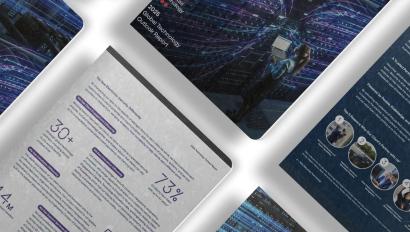
At the same time, the 2026 Technology Outlook Report highlights a broader shift underway across the industry: reactive incident response is giving way to proactive threat detection. This shift is powered by integrating alarm systems with video, audio, analytics, and AI‑driven tools that help human operators better assess, prioritize, and anticipate threats. Alarm verification is the first, and most essential, step in that transition.
What alarm verification actually is (and what it isn’t)
A verified alarm is a confirmed security event — one where a monitoring professional has used audio evidence, video evidence, or both to establish that a genuine threat is present before emergency services are called.
Alarm verification is the process that makes this possible: it confirms whether an alarm represents a real security event before dispatch or escalation, rather than simply passing a sensor signal up the chain and hoping it's genuine.
Tier 1: No verification | Tier 2: Basic verification | Tier 3: True verified alarms |
Raw sensor activation is sent directly to a monitoring center and potentially dispatched without confirmation. This approach produces the highest false alarm rates.
| Methods such as multi‑trip detection or enhanced call verification reduce uncertainty by requiring additional triggers or phone confirmation. While better than no verification, these techniques still do not confirm a crime in progress and may not qualify for priority response.
| Audio verification, video verification, or both provide real‑time or near‑real‑time evidence that allows monitoring professionals to assess whether unauthorized activity is occurring. This level of verification is increasingly required by municipalities and preferred by law enforcement for faster, prioritized response. This third tier is the foundation of modern verified alarm strategies and the core of effective false alarm reduction.
|
Audio verification: Early detection and full‑space coverage
Audio verification is a powerful tool for early threat detection and situational awareness. When a system is armed, audio analytics can detect threatening sounds and allow operators to listen in real time to assess the situation. Unlike cameras, audio provides wall‑to‑wall coverage, capturing activity beyond a camera’s field of view.
Why organizations use audio verification:
- Full‑space coverage: Audio monitors floor‑to‑ceiling and wall‑to‑wall, including areas outside a camera’s direct field of view
- Earlier detection: Sounds such as breaking glass, shouting, or gunshots often occur before visual confirmation
- Improved context: Real‑time listening helps operators determine whether escalation is warranted
One important consideration before deploying audio verification is compliance. Recording laws and consent requirements vary significantly by country, state, and facility type — and in some jurisdictions, recording audio in workplaces requires explicit consent or disclosure. Before implementing audio monitoring, your organization should review applicable regulations and ensure your deployment aligns with both local law and your own data privacy policies. Handled correctly, audio verification is a fully legitimate and highly effective tool — but the legal groundwork should be part of your planning from the start.
Video verification monitoring: Visual confirmation of real incidents
Video alarm verification provides the visual confirmation that emergency responders value most. It is triggered by an alarm sensor or camera motion detection. Monitoring professionals receive pre‑ and post‑alarm video clips or live video feeds, enabling them to confirm whether a crime is occurring before requesting dispatch. This dramatically improves alarm credibility and response confidence.
AI further strengthens video verification. Always‑on AI analytics can analyze video as it is captured, generate metadata, and flag relevant events, nearly eliminating false alarms caused by weather or animals, which are among the most common nuisance triggers. This reduces fines and helps ensure alarms are treated as trustworthy signals rather than noise.
Audio + video together: The gold standard for verified alarm systems
The 2026 Technology Outlook is clear: combining audio and video verification delivers the strongest results.
Audio provides early detection and full‑space coverage, while video delivers visual confirmation within the camera’s field of view. Together, they reduce false alarms, improve response accuracy, and support faster police response, making audio and video verification the gold standard for alarm monitoring today.
It's already mainstream and still growing.
Data from the 2026 Technology Outlook Report shows1:
of organizations currently use video alarm verification
plan to adopt it in the next 12–18 months
This means that within the next 18 months, more than half of the organizations surveyed will be using video alarm verification. If your organization hasn't started yet, your peers almost certainly have — and law enforcement is increasingly calibrating its response priorities around who has a verified program in place. The window for early-mover advantage is narrowing.
Smarter detection: Reducing false alarms before they escalate
The 2026 Technology Outlook Report highlights how advanced analytics can turn standard IP cameras into intelligent alarm detection devices — enhancing motion detection and integrating video events directly with intrusion panels. Rather than triggering an alarm on every motion event, these cameras analyze what caused the motion before sending a signal. They can replace unreliable beam-based detectors that frequently cause false alarms, support up to four customizable detection zones per camera, and allow zones to be adjusted for seasonal or environmental changes without physical rewiring.
Cameras become intelligent detectors that analyze what caused motion before sending an alarm.
These solutions can:
- Replace unreliable detection beams that frequently cause false alarms
- Enable multiple, customizable detection zones per camera
- Adjust zones easily for seasonal or environmental changes without rewiring
By filtering nuisance alarms before they reach the monitoring center, smart camera detection significantly improves signal quality and reduces unnecessary dispatches.
AI, analytics, and remote services: Keeping verified alarms reliable
Verified alarms only deliver value if they're online, secure, and correctly configured.
AI‑assisted analytics help reduce false positives, while Preventive System Health Monitoring combines AI tools and professional oversight to proactively detect issues such as battery failures, camera obstructions, or configuration errors, reducing downtime.
A verified alarm system that's offline or misconfigured at the critical moment delivers no value at all. Proactive health monitoring ensures that the verification layer you've invested in remains reliable — so a preventable technical failure doesn't undo the work you've done to reduce false alarms and build credibility with law enforcement.
The report also highlights the importance of remote firmware management, password hygiene, and cybersecurity monitoring to ensure systems remain resilient and available during crises.
From verified alarms to predictive security
Once false alarms are reduced, your organization unlocks a second‑order benefit: clean, reliable data.
Alarm event data can be analyzed to identify patterns—by time of day, day of week, location, or season. Security Operations Centers increasingly feed verified alarm data into data lakes for analysis, with predictive platforms beginning to emerge that can anticipate when similar conditions may recur.
This lets your organization:
- Identify where real incidents are most likely to occur
- Allocate patrols, guarding, and investments more effectively
- Intervene proactively during high-risk windows
Alarm verification becomes the foundation of predictive, intelligence‑led security, not just a cost‑saving tactic.
A practical roadmap to verified alarms in 2026
Your organization can take a phased approach to deploy verified alarms:
Quantify current false alarm rates, fines, and response delays.
A proven, widely adopted approach (25% current use; 27% planning adoption1).
Particularly valuable in large or irregular spaces.
Use analytics‑driven detection to reduce nuisance alarms at the edge.
Filter false positives and ensure systems remain secure and operational.
Progress toward predictive security models.
Preparing for verified alarms in 2026
Verified alarms are no longer a nice-to-have — they're the foundation of a credible, effective security program. The tools are proven, the adoption data is clear, and the regulatory direction of travel is set. The question for your organization isn't whether to move toward verified alarms, but how quickly you can get there — and what that transition unlocks for the security strategy that comes next.
If your organization is ready to move beyond 'detect and notify,' talk to a Securitas Technology specialist about what a verified alarm program looks like for your sites. For deeper data, industry benchmarks, and expert perspectives, explore the full 2026 Global Technology Outlook Report.
Frequently asked questions about verified alarms
What is a verified alarm?
A verified alarm is one where a monitoring professional has confirmed that a real security event is taking place before any dispatch is requested. It goes beyond a simple sensor trigger. Traditional alarm systems follow a "detect and notify" model — a sensor trips, a signal is sent, and a response begins, all without any confirmation that a genuine threat exists. Verified alarms change that by introducing evidence: audio, video, or both, giving operators the context they need to assess whether unauthorized activity is actually occurring. It's the difference between an alarm that signals something might be happening and one that confirms something is.
How do verified alarms speed up police response?
Traditional alarm monitoring systems produce a 98% false alarm rate — meaning 98 out of every 100 activations are false positives that don't require an emergency response. When that's the reality, it's no surprise that law enforcement deprioritizes unverified calls. A verified alarm changes the dynamic entirely. When a monitoring professional can confirm that a crime is in progress — with video footage, audio evidence, or both — police have the context they need to treat the call as credible and urgent. Many municipalities now offer priority dispatch specifically for verified alarms, which translates directly into faster response when it matters most.
What's the difference between audio and video verification?
Both methods confirm whether a real event is taking place, but they work differently and cover different grounds — which is why the strongest systems use both.
Audio verification monitors threatening sounds: breaking glass, shouting, or other disturbances. Because it doesn't rely on line of sight, it provides wall-to-wall, floor-to-ceiling coverage, capturing activity in areas a camera simply can't see. It's also often the earlier signal — sounds frequently occur before there's anything to see.
Video verification gives monitoring professionals visual confirmation, whether that's pre- and post-alarm clips or a live feed, allowing them to see whether unauthorized activity is happening within the camera's field of view. AI analytics strengthen this further by filtering out common nuisance triggers like animals or weather events before they even reach the monitoring center.
Used together, the two methods cover each other's blind spots: audio catches what cameras miss, and video delivers the visual evidence that emergency responders find most compelling. That combination is increasingly considered the gold standard for alarm monitoring.
Are verified alarms required by law?
Not universally — but the practical and regulatory pressure is already significant, and it's growing. Many municipalities have introduced false alarm fines, and some now require verification before police dispatch or reserve priority response for alarms that confirm a crime in progress. Organizations still relying on unverified systems risk slower response times, financial penalties, and eroded credibility with law enforcement.
The broader regulatory environment is also shifting. The EU AI Act — enacted August 2024 with compliance phasing from February 2025 — governs AI systems used in security, surveillance, and critical infrastructure. While it doesn't mandate verified alarms specifically, it signals a clear direction: regulators expect security systems to be reliable, accountable, and able to demonstrate meaningful outcomes.
The practical question becomes whether your current system will meet the standards that are fast becoming the norm.
How long does verification actually take – does it slow down response?
It's a fair question, and the answer might be counterintuitive: verification doesn't slow down response — it speeds up the response that counts. When an operator can immediately pull up a live feed or review a pre-alarm clip, the assessment happens in seconds. What verification eliminates is the time wasted on the 98 out of 100 alarm activations that turn out to be false positives. Police who know a verified alarm is credible respond faster and with greater urgency than they would to an unverified call from a system they've learned to distrust. The small amount of time spent confirming a real event is more than offset by the priority response it unlocks.
What happens to the footage or audio captured during verification?
Any audio or video captured during a verification event can serve multiple purposes beyond the immediate response. In the event of a confirmed incident, that footage becomes documented evidence — useful for insurance claims, internal investigations, or legal proceedings. Over time, verified alarm data can also be analyzed to identify patterns: which areas trigger the most events, at what times, and under what conditions. This is the foundation of what's increasingly called intelligence-led security — using reliable, verified data to anticipate where risk is highest and allocate resources accordingly.
It's worth noting that how data is captured, stored, and accessed is governed by a growing body of regulation. The EU AI Act, in effect from August 2024, specifically covers AI systems used in surveillance and security. When evaluating a verified alarm system, it's important to understand your provider's data retention policies and how the system is configured to comply with applicable privacy requirements in your region.
Does verified alarm monitoring work with the cameras and sensors I already have?
In many cases, yes — though the answer depends on what you currently have in place and how it's configured. Modern analytics platforms are designed to work with standard IP cameras, turning existing hardware into intelligent detection devices without requiring a full infrastructure replacement. These systems can enhance motion detection with analytics, create customizable detection zones, and integrate video events directly with your intrusion panel. That means organizations don't always need to start from scratch; a phased approach can layer verification capabilities onto existing equipment where it's compatible and replace or upgrade where it isn't.
The best starting point is a clear picture of your current setup — camera models, firmware versions, how your system is monitored today, and where your highest-risk areas are. From there, it's possible to identify where verified alarm capabilities will have the most immediate impact and build out from that foundation.
What's the difference between a monitoring center and my current alarm company?
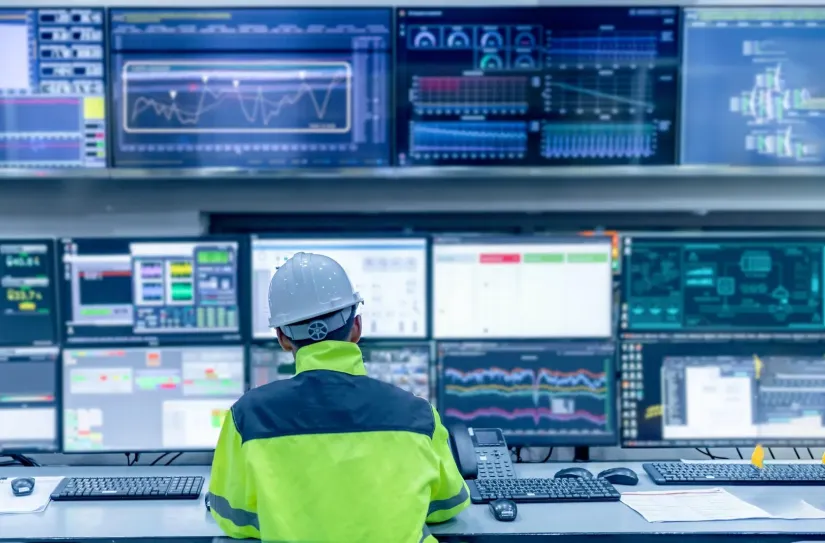
Your alarm company installs and maintains the hardware — sensors, cameras, control panels — and typically connects your system to a monitoring center, which may be operated by the same company or a third party. The monitoring center is where trained professionals watch for alarm signals around the clock and decide how to respond.
The quality of that monitoring — and specifically whether it includes verified alarm capabilities — is where the real difference lies. A basic monitoring center receives an alert when a sensor trips and follows a standard protocol: call the keyholder, call the police, or both. A professional monitoring center equipped for video or audio verification does something more: operators actively assess the situation before escalating. They can view live footage, listen in real time, and make an informed judgment about whether a genuine threat is present. That distinction — between receiving an alert and actually assessing a scene — is what separates traditional monitoring from verified alarm monitoring, and what determines whether your system earns priority police response or gets deprioritized as likely noise.
Can verified alarm data help us prevent incidents, not just respond to them?
Yes — and this is one of the most significant long-term benefits of moving to a verified alarm system, even if it isn't the primary reason most organizations make the switch. When you reduce false alarms, you end up with something genuinely valuable: clean, reliable data about when and where real security events occur.
That data can be analyzed to reveal patterns — particular hours, days, locations, or seasonal conditions that correlate with higher incident rates. Security Operations Centers are increasingly feeding verified alarm data into analytics platforms to do exactly this, identifying where risk is concentrated and when it tends to peak. The practical result is that your organization can allocate patrols, guarding resources, and technology investments based on evidence rather than assumption — and intervene proactively during high-risk windows rather than simply reacting after the fact.
Verified alarm monitoring, in other words, isn't just a tool for faster response. It's the first step toward a security program that stays ahead of threats rather than chasing them.
Sources:
- In-house branded survey of 4540 Securitas Technology clients in Australia, Belgium, Canada, Denmark, Finland, France, Germany, Ireland, Mexico, Netherlands, Norway, Spain, Sweden, Switzerland, Turkey, the United Kingdom, and the United States. Conducted November 2024.