Restaurant Alarm Systems: What Every Owner Should Consider
Most restaurant security conversations start with a simple question: what alarm system should we install? That question misses the bigger one. An alarm panel on the wall protects nothing by itself. The value comes from how a team designs the system for the building, who monitors it, and how it connects to everything else protecting the location: video, access control, fire systems.
Restaurants make frequent targets for obvious reasons: cash on hand, deliveries that arrive on a predictable schedule, liquor storage. Risk also climbs during early morning prep and late-night close, when a location runs with one or two staff and an empty dining room behind them. An alarm system built around those specific risks does more than one installed off a generic template.
What Is a Restaurant Alarm System?
A restaurant alarm system is an electronic security system designed to detect and alert on unauthorized entry, after-hours activity, and physical threats across a restaurant facility. It typically combines door and window sensors, interior motion detectors, a central control panel, and a connection to a professional monitoring center that verifies alarms and dispatches a response.
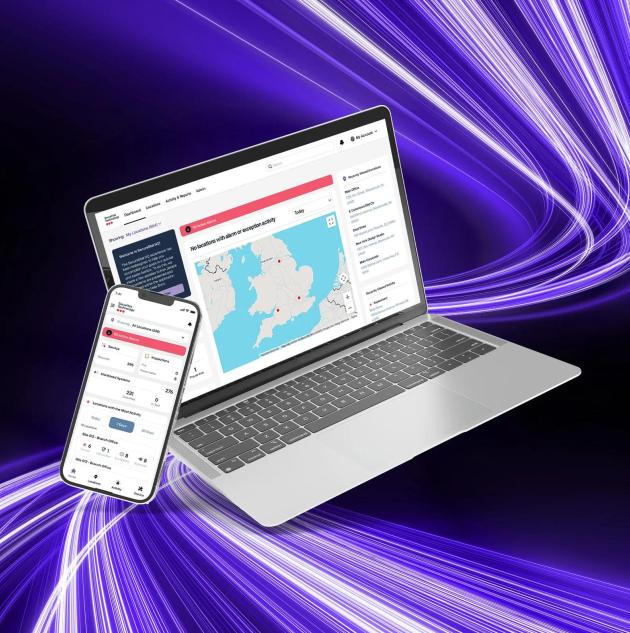
For restaurants, a basic alarm system covers the front entrance and back-of-house access points. A more complete system extends to drive-thru windows, liquor cages, office spaces, outdoor patios, and parking areas, with sensors calibrated to the hours and risk profile of the specific location. In multi-location operations, those individual systems connect to a centralized platform like SecureStat HQ, giving operators visibility and control across every site from one dashboard.
Why Restaurants Are Adding AI-Powered Video Analytics

Why Intelligent Video Goes Beyond Traditional Security Cameras
Most restaurant owners already understand the value of security cameras. They record incidents, provide evidence, and help answer the question, "What happened?" AI-powered video analytics, like SecureStat Cumulus, take that a step further by helping answer, "What's happening right now?". Instead of relying on someone to watch dozens of camera feeds, Cumulus continuously analyzes video in real time, identifying events that matter and alerting managers when something needs attention. Think of it as another set of eyes that never gets distracted or tired.
Reduce Theft, Shrinkage, and Inventory Loss with Intelligent Video
Loss prevention is one of the biggest opportunities. Cumulus helps identify suspicious activity around cash registers, unauthorized access to liquor storage, or unusual movement after closing. In bar areas, operators can review activity that may point to over-pouring, drinks being served without being punched into the system, or inventory disappearing.
Improve Safety and Respond Faster to Incidents and Emergencies
The technology also helps improve safety. Slip-and-fall incidents can be reviewed immediately with searchable video, while managers can receive alerts when unsafe conditions, blocked exits, or other OSHA-related hazards are detected. When the location is closed, Cumulus can identify unexpected activity inside or outside the building, helping operators respond faster to potential break-ins or unauthorized access.
Improve Restaurant Operations and Deliver a Better Guest Experience
Beyond security, AI analytics can improve day-to-day operations and the guest experience. Cameras can detect when lines are growing inside the restaurant while tables are free, at the counter or the drive-thru, allowing managers to redirect staff before wait times become a problem. They can also identify housekeeping issues, such as overflowing trash bins, cluttered walkways, or dining areas that don't meet brand standards.
Monitor Staff Compliance Without Spending Hours Reviewing Video
Staff compliance is another valuable application. Managers can quickly verify whether employees are wearing required uniforms or protective equipment, such as hairnets or gloves where food safety policies require them. SecureStat Cumulus can also identify employees being on their phone when clients are waiting to be served. Rather than reviewing hours of recorded footage, they can focus only on the events that need attention.
Why Intelligent Video Goes Beyond Traditional Security Cameras
Most restaurant owners already understand the value of security cameras. They record incidents, provide evidence, and help answer the question, "What happened?" AI-powered video analytics, like SecureStat Cumulus, take that a step further by helping answer, "What's happening right now?". Instead of relying on someone to watch dozens of camera feeds, Cumulus continuously analyzes video in real time, identifying events that matter and alerting managers when something needs attention. Think of it as another set of eyes that never gets distracted or tired.
Reduce Theft, Shrinkage, and Inventory Loss with Intelligent Video
Loss prevention is one of the biggest opportunities. Cumulus helps identify suspicious activity around cash registers, unauthorized access to liquor storage, or unusual movement after closing. In bar areas, operators can review activity that may point to over-pouring, drinks being served without being punched into the system, or inventory disappearing.
Improve Safety and Respond Faster to Incidents and Emergencies
The technology also helps improve safety. Slip-and-fall incidents can be reviewed immediately with searchable video, while managers can receive alerts when unsafe conditions, blocked exits, or other OSHA-related hazards are detected. When the location is closed, Cumulus can identify unexpected activity inside or outside the building, helping operators respond faster to potential break-ins or unauthorized access.
Improve Restaurant Operations and Deliver a Better Guest Experience
Beyond security, AI analytics can improve day-to-day operations and the guest experience. Cameras can detect when lines are growing inside the restaurant while tables are free, at the counter or the drive-thru, allowing managers to redirect staff before wait times become a problem. They can also identify housekeeping issues, such as overflowing trash bins, cluttered walkways, or dining areas that don't meet brand standards.
Monitor Staff Compliance Without Spending Hours Reviewing Video
Staff compliance is another valuable application. Managers can quickly verify whether employees are wearing required uniforms or protective equipment, such as hairnets or gloves where food safety policies require them. SecureStat Cumulus can also identify employees being on their phone when clients are waiting to be served. Rather than reviewing hours of recorded footage, they can focus only on the events that need attention.
Restaurant Alarm Systems FAQs
There is no single best system. A quick-service chain needs different coverage than a full-service restaurant with a bar, and a multi-location operator needs different tools than a single-unit owner. The most effective restaurant alarm system combines intrusion detection, professional monitoring, and integration with video and access control, designed around the specific layout, hours, and risk profile of each location. A partner who assesses each site before specifying hardware will deliver better results than one who applies a standard package across the board.
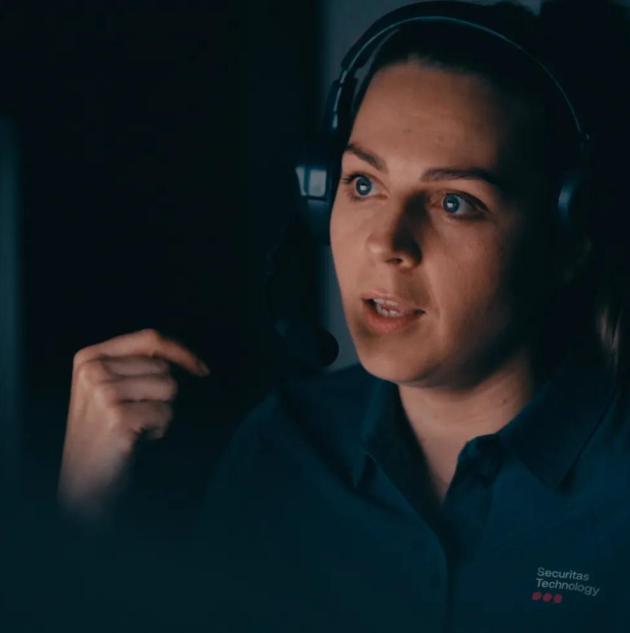
For most restaurant operators, yes. A self-monitored alarm depends on someone catching a notification at 2 a.m., identifying it correctly, and calling the police. Professional monitoring handles that automatically: an operator verifies the alarm and dispatches a response, around the clock. For multi-location chains and franchisees, centralized monitoring also reduces the false alarm dispatch fees that accumulate across a large portfolio of locations.
A complete restaurant security program typically includes an intrusion detection system, video surveillance, access control, fire detection, and 24/7 alarm monitoring. For operators running multiple locations, a centralized management platform like SecureStat HQ connects those systems into one view. The right combination depends on the format, hours, and layout of each restaurant type in the portfolio.
Yes, and that integration is one of the most practical upgrades a restaurant operator can make. When an alarm triggers, an integrated video surveillance system pulls footage from the nearest camera, so the monitoring center or manager sees what set off the sensor rather than making assumptions. Cloud-based platforms like SecureStat Cumulus make that footage accessible across all locations from one interface, without requiring a server at each site.
Layout, Hours, and Risk Profile Should Drive the Design
A quick-service location with a drive-thru open until 1 a.m. has a different risk profile than a full-service restaurant with a bar that closes at 11. The drive-thru window and the back kitchen door matter most for the first. The bar’s cash drawer and the rear delivery entrance matter most for the second.
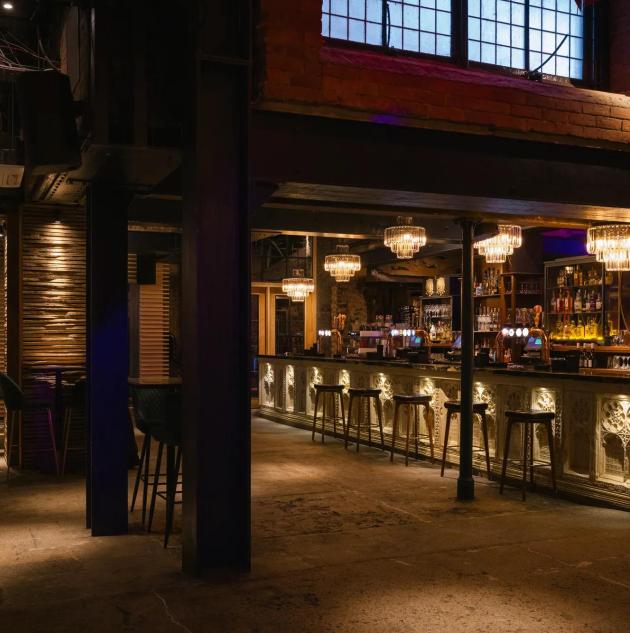
Layout shapes the design as much as hours do. A restaurant with a separate bar area, a private dining room, or an outdoor patio needs sensor placement that accounts for spaces a generic floor plan wouldn’t include. Skipping a walkthrough of the actual building, and designing instead from a standard restaurant template, leaves gaps in exactly the areas where staff face the most risk: parking lots, alleys, and delivery doors during early or late hours.
What a Restaurant Alarm System Typically Includes
A standard intrusion detection system covers the building’s entry points: door and window sensors on the front entrance, back-of-house doors, and any delivery or loading access. Motion detectors cover interior spaces, especially storage rooms, offices, and liquor cages, where after-hours theft tends to concentrate. A control panel ties the sensors together and communicates with a monitoring center.
Many restaurant systems also include panic buttons near the register and back door, giving staff a way to call for help during opening or closing routines without reaching for a phone. For a location with a drive-thru or a back alley delivery entrance, that detail matters more than it sounds like it should.
Integration with Video, Access Control, and Fire Ties It Together
An alarm that triggers in isolation tells a manager something happened, not what happened. Tie the alarm system to video surveillance, and a triggered sensor pulls footage from the nearest camera, so the first call to a manager comes with visual context instead of a guess.
The same logic applies across access control and fire. A restaurant running separate, disconnected systems for intrusion, fire, and video ends up with separate vendors, separate service calls, and separate blind spots between them. A unified platform brings those signals into one place, so a security event at 2 a.m. shows up as one alert with the full picture, not three unrelated notifications across three different apps.
Key Takeaways on Restaurant Alarm Systems
Give Managers Better Visibility Across Every Restaurant Location
With SecureStat Cumulus, the goal isn't to replace managers or security personnel. It's to give them better visibility into what's happening across the restaurant, whether they're in the building or overseeing dozens of locations from somewhere else. Cameras no longer simply record events, they help understand them, prioritize them, and bring the right issues to someone's attention before they become bigger problems.
Build an Alarm System Around Your Restaurant's Unique Risks
A restaurant alarm system covers entry points, interior spaces, and after-hours activity, but its value depends on how it’s designed for each location’s layout, hours, and risk profile.
Why Professional Alarm Monitoring Makes a Critical Difference
Professional monitoring removes the dependency on a manager catching a phone notification at 2 a.m., and cuts the time between an intrusion and a police response.
Integrate Alarms, Video, and Access Control for Faster Response
Connecting the alarm system to video surveillance and access control turns a triggered alert into actionable context, not just a notification.
Simplify Security Across Multiple Restaurants and Franchise Locations
Multi-location operators and franchisees need a centralized platform that standardizes alarm management across brands and locations, not a separate system for each site.
Choose a Security Partner That Scales With Your Business
A trusted security partner designs the system around the restaurant’s operations and scales it as the business grows, without requiring the operator to manage multiple vendors.
Protect your restaurant with a security solution that combines AI smart video surveillance, intrusion detection, access control, and 24/7 monitoring. Speak with a restaurant security expert to design a system that protects your business today and scales as you grow. Talk to an expert.
Get in touch with an Expert in Restaurant Security