
Restaurant Fire Alarm System Requirements: What Owners Need to Know
What Is a Restaurant Fire Alarm System?
Fire Alarm Systems Aren’t One-Size-Fits-All

What a Fire Alarm System Actually Does
Common Fire Alarm Components in Restaurants
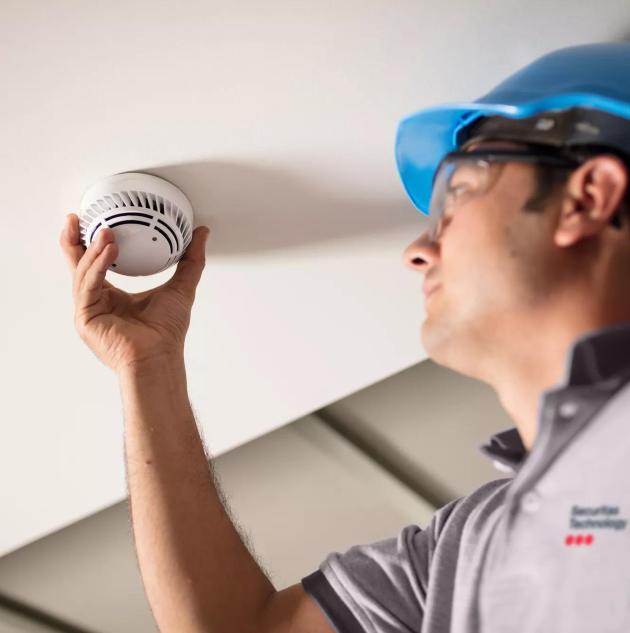
- Smoke detectors in permitted areas throughout the facility
- Heat detectors designed for environments where smoke detection may not be appropriate
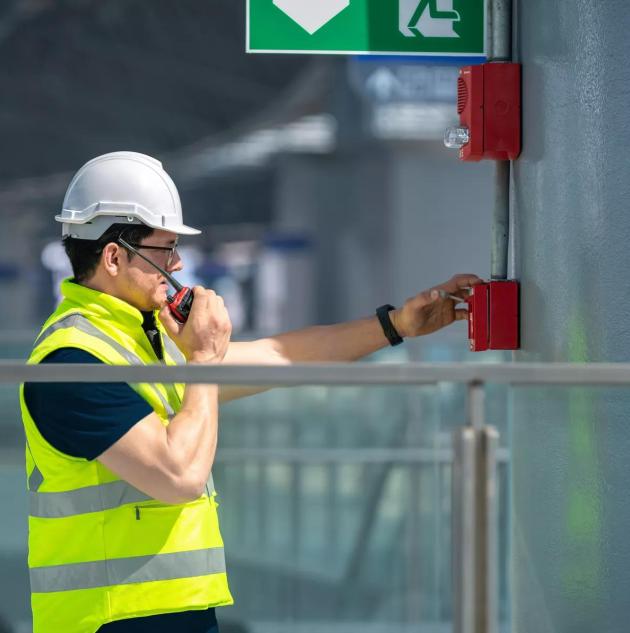
- Manual pull stations positioned at designated exits
- Horns, strobes, or speaker systems that alert occupants to an emergency
- Control panels that manage system communication and event reporting
Monitoring services that transmit alarm signals to a monitoring center

How Local Code Requirements Shape Your System
The local authority having jurisdiction reviews and inspects fire alarm installation and ongoing compliance requirements. That review process varies by city, county, and state. Two locations in the same restaurant chain, opened the same year, can face different documentation requirements, different inspection scheduling, and different interpretations of how a system should be installed.
For a single restaurant, that variation is a minor inconvenience. For a chain opening a dozen locations a year, it’s one of the most common reasons a grand opening date slips. A project team that skips local code review during planning risks a flag at final inspection, with the delay landing on operations days before the doors open. A fire protection partner with experience across multiple jurisdictions catches those gaps before they become delays.
Maintenance, Inspections, and Monitoring Aren’t Optional
Why Fire Detection and Monitoring Matter for Restaurants
Why Restaurant Chains Partner with a Single Fire and Security Provider
Many restaurant operations teams manage separate vendors for fire alarm, intrusion, and video, and monitoring services, each with its own service contract, its own inspection schedule, and its own point of contact. That fragmentation creates blind spots. One vendor schedules a fire alarm inspection without checking whether the fire alarm inspection happened the same year, and when a deadline slips, vendors pass accountability back and forth instead of resolving it.
One national restaurant brand consolidated fire and intrusion systems across roughly 500 locations under a single provider managing the rollout from start to finish, rather than coordinating dozens of regional vendors location by location. That consolidation gave the operations team one point of contact, one set of documentation, and one team accountable for keeping every location compliant. Their restaurant security program became something they could manage at scale instead of site by site.
Key Takeaways on Restaurant Fire Alarm Systems

Smoke detection, heat detection, and alarm notification devices help identify emergencies quickly.
Restaurant Fire Alarm Systems FAQs
Get in touch with Experts in Fire Protection Solutions for Restaurants


