
What Cloud Video Surveillance Is and Why It Makes Security Smarter

Video surveillance is evolving. What once relied on on-site servers, manual maintenance, and limited visibility is now shifting toward smarter, cloud-managed solutions designed for scale, flexibility, and real-time insight. As organizations rethink how they secure people, property, and operations, cloud video surveillance — often referred to as VSaaS (Video Surveillance as a Service) — is becoming the new standard.
In this article, we break down what cloud video surveillance is, how it works, and why businesses are moving away from traditional DVR (digital video recorder) and NVR (network video recorder) systems. You’ll also learn how cloud-based video strengthens modern security strategies through remote access, AI-powered analytics, and lower operational complexity — and what to consider as you plan your upgrade. Also learn how cloud-based video strengthens modern security strategies through remote access, AI-powered analytics, and lower operational complexity — and what to consider as you plan your upgrade.
What Is Cloud-Based Video Surveillance?
Cloud-based video surveillance is a video monitoring approach where video footage is securely stored, managed, and accessed through cloud infrastructure rather than relying solely on on-site recording hardware.
A cloud-based system typically includes:
- IP cameras that capture high-quality video
- Cloud-based video management system (cloud VMS)
- Centralized monitoring tools
- Built-in analytics
- Encrypted cloud storage for video footage
- Web and mobile interfaces for remote access and management
- Optional edge or hybrid storage for redundancy and performance
Unlike traditional DVR or NVR systems, which depend on local servers and physical storage, cloud video systems centralize management in the cloud. This makes them easier to scale, simpler to maintain, and accessible from anywhere with proper credentials.
How Cloud Video Systems Work
Cloud video surveillance combines connected cameras, secure cloud infrastructure, and web‑based monitoring tools to deliver fully remote oversight across locations. Here’s how the key components work together:
Key Components of VSaaS
Network-connected cameras capture and stream video securely.
Video footage is transmitted and stored in secure cloud environments, protecting it from physical damage or tampering.
Software hosted in the cloud allows users to view live feeds, search footage, manage cameras, and apply analytics.
Authorized users can monitor video, receive alerts, and review incidents from any device.
Some deployments combine on-site edge storage with cloud backup for performance and redundancy.
A Typical Workflow
- Cameras capture video at the site
- Footage is encrypted and sent to the cloud
- Video is stored securely and indexed
- Users access live or recorded video remotely
- AI analytics trigger alerts, search results, or insights
This architecture removes the need for on-site servers while enabling smarter video use across locations and teams.
Key Benefits of Cloud Video Surveillance
Cloud-based video surveillance delivers both security and business value. Key benefits include:
Monitor one location or hundreds from anywhere. Centralized visibility allows security, operations, and leadership teams to stay informed without being on site.
Add cameras, users, or locations without upgrading servers. Cloud systems scale with your business, making them ideal for growing organizations.
Automatic software updates, centralized management, and fewer on-site components reduce IT burden and ongoing maintenance costs.
Cloud video enables advanced capabilities such as:
- AI-powered motion detection
- Object and person classification
- Intelligent alerts
- Faster video search
Offsite cloud storage protects video footage from hardware failure, theft, vandalism, or natural disasters.
Because cloud solutions operate on subscription models, organizations avoid large capital expenditures on servers and storage. Instead, they pay a recurring fee that includes hosting, updates, and support, making budgeting more predictable.
Cloud vs. Traditional Video Surveillance
Below is a simplified comparison to help highlight the differences:
|
For many organizations, the shift to cloud is less about replacing cameras and more about unlocking flexibility, intelligence, and efficiency.
Real-World Applications of Cloud Video Surveillance Across Industries
Different industries adopt cloud video solutions for unique reasons, but they share a common goal: better visibility with less complexity.
Retail
Retailers managing multiple stores can oversee video systems from headquarters. They can review incidents, verify compliance, and support loss prevention efforts, all remotely.
Logistics and Supply Chain
Cloud video helps teams monitor yards, loading docks, gates, and warehouses. Operations teams gain continuous insight, even when traveling between sites.
Corporate Offices
In hybrid workplaces with more employees working remotely, cloud video helps maintain visibility and ensure a safer environment without heavy on-premise infrastructure.
Education and Healthcare
Schools, hospitals, and clinics can manage campus-wide systems centrally. This supports safer environments with fewer resources while keeping sensitive areas protected.
Because cloud video adapts to different site sizes and use cases, it works for mid-market organizations and large enterprises alike.
Why AI and Cloud Make Surveillance Smarter
The real power of cloud video comes from its ability to integrate AI and analytics at scale.
Smarter Capabilities Include:
- Object and person detection
- License plate recognition
- Natural language video search without manual scrubbing
- Automated alerts and classifications
- Integration with alarms, access control, and analytics platforms
AI-powered cloud video transforms surveillance from passive recording into proactive insight. Instead of reviewing hours of footage, teams can search using natural language, receive alerts based on behavior, and identify anomalies in real time.
This shift enables faster response, better investigations, and more informed decision-making.
Cloud Video Enables Smarter, Centralized Monitoring Workflows
Traditional video systems often leave monitoring fragmented. Alerts go to the wrong people, verification takes too long, and response varies from site to site. Cloud-based video surveillance changes that by enabling standardized, centralized monitoring workflows across all locations.
In a modern cloud video environment, monitoring follows a consistent lifecycle:
1. Intelligent Alerts: AI-powered analytics detect relevant events and trigger alerts automatically. Instead of reacting to every motion, teams focus only on what matters.
2. Rapid Verification: Operators or authorized teams can instantly review live or recorded video from any location to verify what’s actually happening. This reduces false alarms and ensures the right response from the start.
3. Coordinated Response: Once verified, alerts can be routed to the appropriate internal teams or external responders, following predefined escalation paths. Cloud platforms make it easier to align security operations, facilities, and leadership around a single source of truth.
4. Reporting and Continuous Improvement: All activity is logged centrally, enabling incident reporting, trend analysis, and performance reviews. Over time, this data helps organizations refine alert thresholds, improve response times, and strengthen overall security posture.
By standardizing this workflow in the cloud, organizations can:
- Apply the same monitoring rules across every site
- Ensure alerts reach the right people at the right time
- Maintain visibility and control without adding operational complexity
This is where cloud video surveillance delivers its greatest value: turning video from a passive recording tool into an active, coordinated monitoring system that scales with the business.
What Should You Consider Before Moving to Cloud Video Surveillance?
Moving to cloud video surveillance is both a technology and an operational decision. Before upgrading, organizations should evaluate a few core areas to ensure the solution supports their security, IT, and business requirements.
Network, Bandwidth, and Retention
Assess available bandwidth, video quality needs, and retention policies. Direct-to-cloud video solutions rely on sufficient and reliable upload bandwidth, which must be calculated based on camera count, resolution, frame rate, and retention needs.
Many organizations use a hybrid model, combining local edge storage with cloud backup to balance performance, cost, and reliability.
Access Controls and Governance
A modern cloud platform should offer role-based access, centralized user management, and audit logs to ensure accountability, security, and compliance across all locations.
Data Privacy and Compliance
Confirm that the solution supports regional data residency, privacy regulations, and strong encryption, especially for regulated industries and global deployments.
Hybrid vs. Fully Cloud
Not every site needs to move at the same pace. Flexible platforms support both hybrid and fully cloud environments, enabling gradual, low-risk transitions.
Integrations and Workflows
Cloud video delivers more value when integrated with access control, alarms, and monitoring workflows, enabling faster verification and coordinated response.
Total Cost Over Time
Look beyond subscription fees. Consider reduced IT workload, fewer hardware refreshes, and operational efficiencies when evaluating the total cost of ownership.
SecureStat® Cumulus: Cloud Video Powered by GenAI by Securitas Technology
SecureStat Cumulus: Cloud Video Surveillance is a cloud-first solution designed for organizations looking for intelligence, scalability, and simplicity, powered by generative AI.
Built for modern organizations, it combines:
- Centralized monitoring across single or multi‑site locations
- Advanced video analytics that help identify trends and support faster investigations
- Flexible cloud-first deployment, including camera-to-cloud with optional on-camera SD card backup
- Seamless scalability for growing environments
- GenAI-driven analytics and natural language search
SecureStat Cumulus Cloud Video solution helps organizations move beyond traditional video systems and adopt a smarter, cloud-first approach to surveillance.
Learn more about SecureStat Cumulus: Cloud Video Surveillance solution.
A Smarter Security Strategy Starts in the Cloud
To summarize, cloud-based video surveillance is more than a technology upgrade; it’s a smarter security strategy for modern organizations. With greater control, lower maintenance, built-in intelligence, and the ability to scale effortlessly, cloud video is quickly replacing outdated DVR and NVR systems.
By combining cloud infrastructure with AI-driven analytics, businesses gain visibility that supports security, operations, and growth. As threats evolve and resources tighten, adopting a cloud-first security strategy helps organizations stay resilient, efficient, and future-ready.
Talk to our experts to see how SecureStat Cloud Video Surveillance solution fits your business needs.
Related Cloud Video Surveillance Solutions

SecureStat ® Cumulus ™ AI Cloud Video Surveillance
Camera-to-cloud video powered by natural-language GenAI
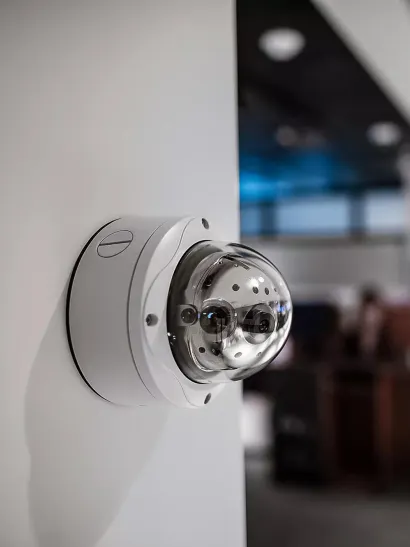
Video Surveillance
Keep an eye on your business from anywhere, any time with Securitas Technology, one of the top verified video surveillance companies.

Cloud Security Services
Centralize, scale, and shape the future of your business security systems with our cloud-based security services.