
5 Security Technologies Every K-12 School and Higher Ed Institution Should Consider in 2026
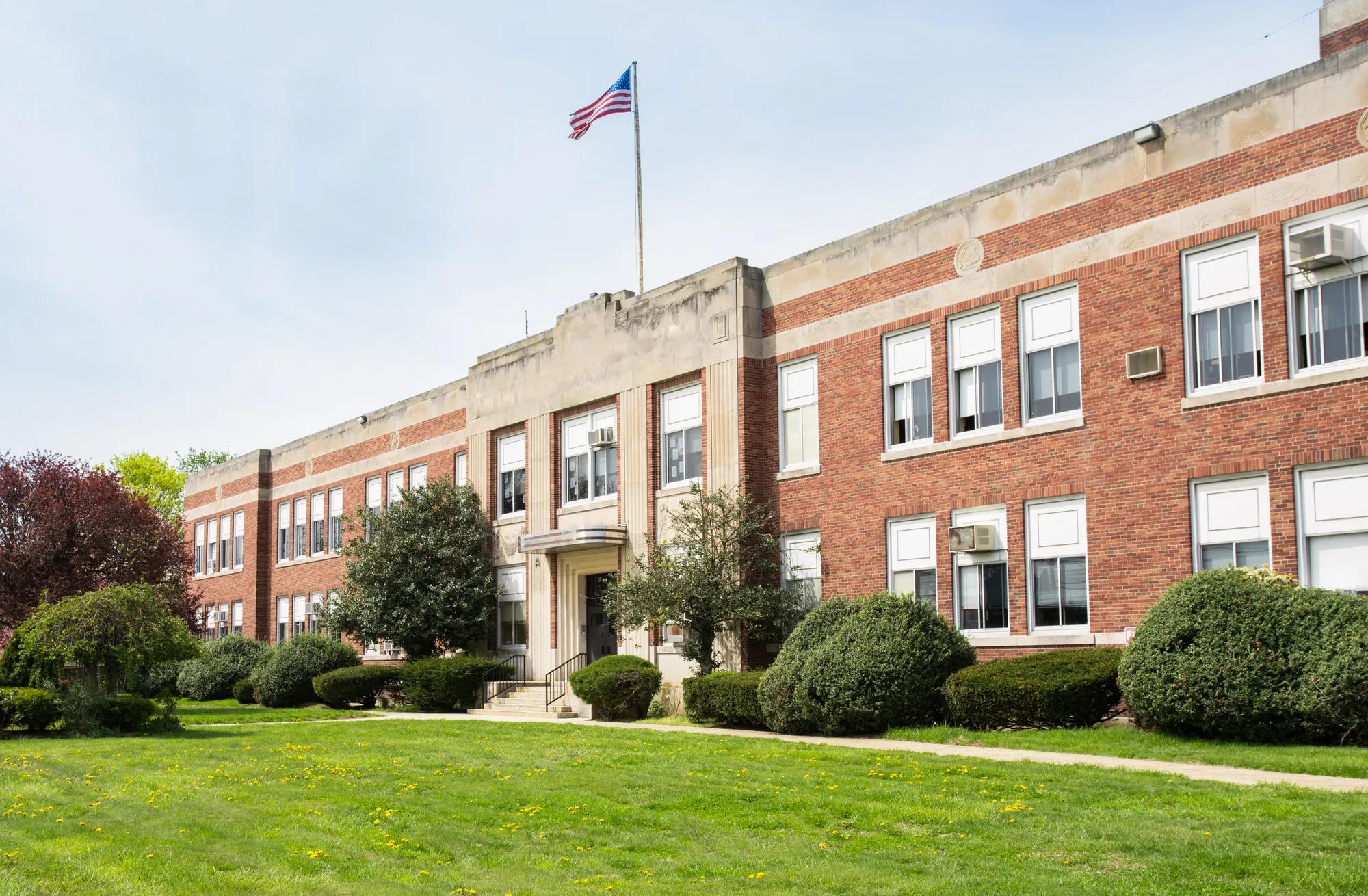
A locked door stops nothing if staff aren't watching who walks through it. That's the gap in a lot of school and campus security plans: an institution buys cameras, badge readers, and an alarm panel, then treats them as three separate purchases instead of one system built around how people actually move through the day.
In a K-12 building, students arrive in waves, visitors come and go through entrances away from the front office, and buses unload near doors that lock from the inside but stay propped open during drop-off. On a university campus, the same problem plays out at a larger scale: residence halls run on different access schedules than academic buildings, late-night research labs stay occupied long after most offices close, and a campus open to the public during the day still needs to lock down by building at night. Each of those moments is a security decision, whether anyone planned for it or not.
The technologies below cover the core of a modern security program for both K-12 districts and university campuses. None of them work alone. An unmonitored camera records an incident after it happens instead of preventing it. A badge reader without a visitor policy behind it still lets a stranger in if they look like they belong. The connections between these pieces, and who designed them, separate a secure institution from one that owns security equipment without connecting it.
Five technologies stand out for K-12 districts and higher education institutions planning ahead for the 2026 school year.
1. Access Control Systems
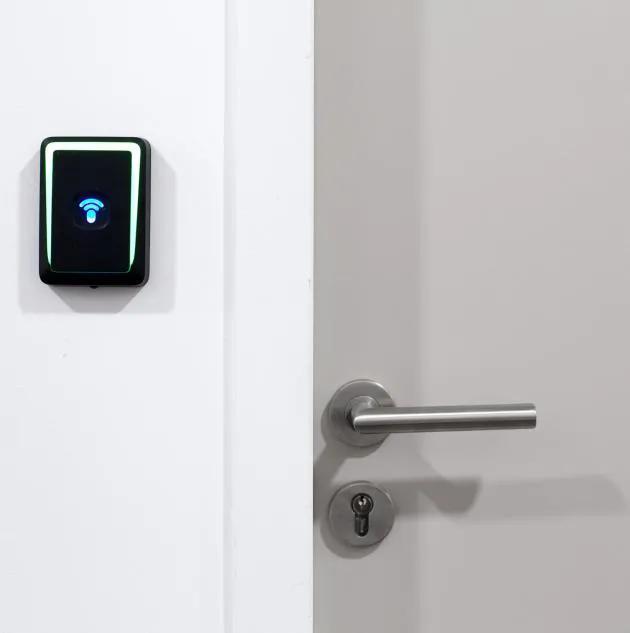
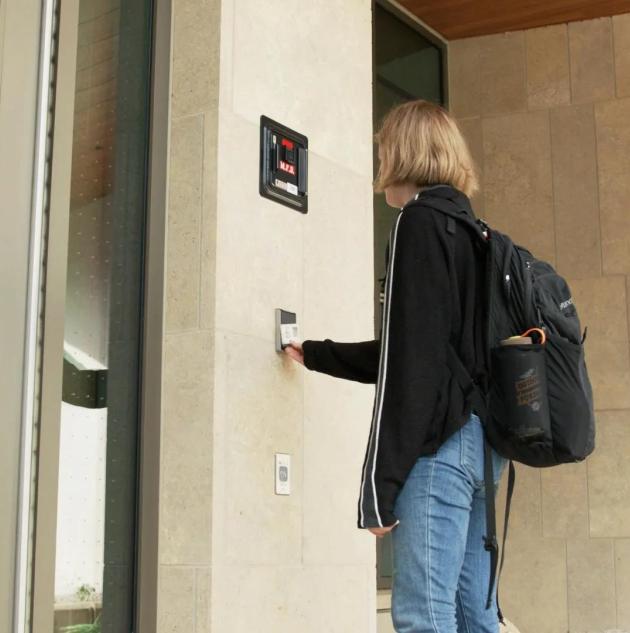
Access control decides who gets through a door, and when. For a K-12 school, that covers more than the front entrance: modern systems use badge credentials, mobile credentials, or PIN codes to manage individual doors, classrooms, and shared spaces like gyms and auditoriums that often open to the public after hours. For a university, the scope expands further, covering residence halls, labs with restricted access, administrative buildings, and academic spaces that each run on their own schedule.
An institution can schedule access by door: a side entrance unlocks for K-12 staff at 6 a.m. and locks again at 8, a university lab restricts access to enrolled researchers around the clock. Some systems trigger lockdown across one building, or an entire campus, from a single command. That speed matters during an active threat, when seconds decide outcomes, whether the building holds 30 second-graders or 300 college students.
The hardware matters less than how an institution configures it. A school or campus with badge readers on every door still has a gap if staff prop doors open for convenience or hand a credential to someone without logging it. Access control works as one layer in a larger plan, not a substitute for policy.
2. Video Surveillance & Analytics
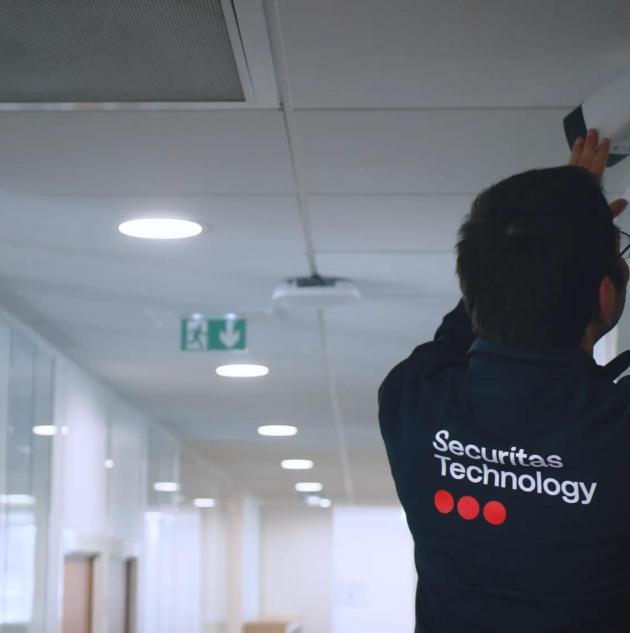
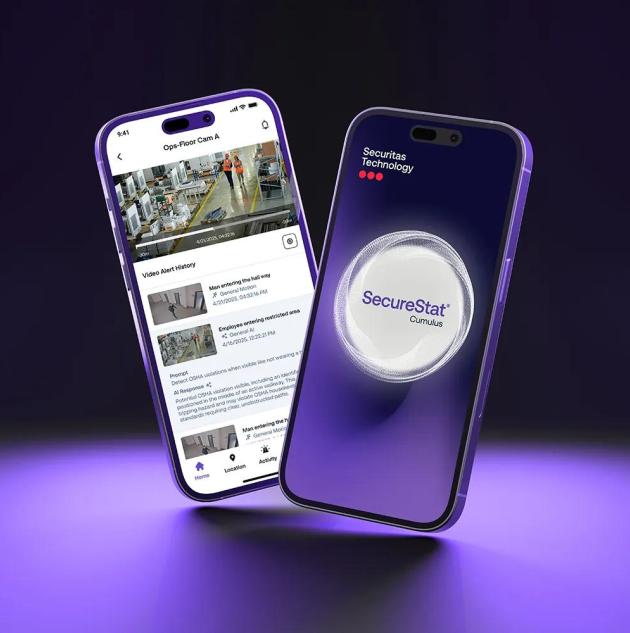
Cameras alone create a record. AI-powered video analytics turn that record into something a small security team can act on in real time. Instead of reviewing hours of footage after an incident, staff get an alert when someone enters a restricted area, when a person lingers near an entrance after dismissal or after a campus building closes for the night, or when activity in a hallway or quad doesn't match the pattern for that time of day.
For a K-12 district running a dozen buildings, or a university with dozens of buildings spread across an open campus, cloud-based video surveillance centralizes that monitoring instead of leaving each building to manage its own server room and local recordings. A security director reviews activity across multiple sites from one dashboard, without driving between buildings to pull footage.
Staff feel this most during an investigation. A parent reports a stolen bike outside an elementary school. A laptop goes missing from a university library study room. Searchable metadata lets staff filter for the relevant event instead of scrubbing through a full day of recording one camera at a time.
3. Visitor Management Systems
A school's front office, or a university's building entrances, make the first judgment call between a stranger and a building full of students. Visitor management software replaces a handwritten sign-in sheet with ID scanning, instant background checks, and a printed or digital badge that expires at the end of the visit.
In a K-12 setting, front desk staff can flag a visitor who needs to check in with the principal first, or block someone subject to a custody restriction, without relying on memory or a list taped to the desk. On a university campus, the same system manages prospective student tours, contractor access to a residence hall, and guest speakers checking into an academic building, often across dozens of entry points instead of one front office.
Connect visitor management to the building's access control, and a printed badge unlocks only the doors a specific visitor needs. A parent picking up a sick child gets into the front office, not the hallway where students are in gym class. A campus visitor checked in for a tour gets into the admissions building, not a restricted research lab three doors down.
4. Intrusion Detection & Perimeter Security
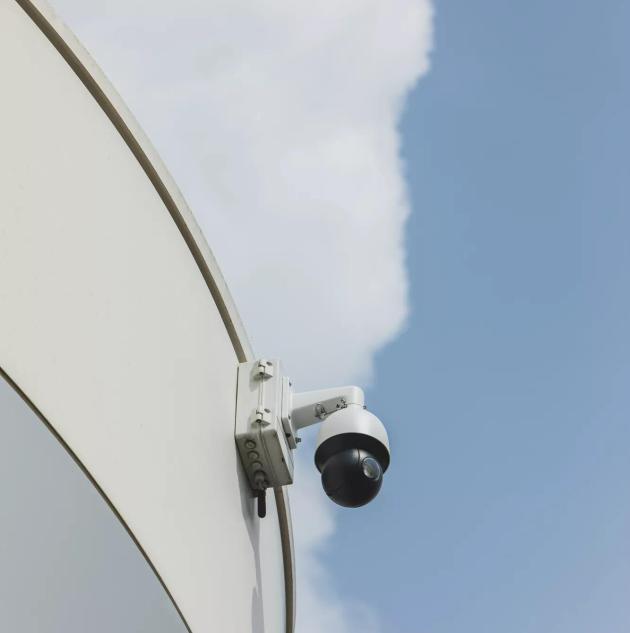
Most break-ins happen when a building sits empty: nights, weekends, summer break for a K-12 campus, or between semesters and overnight hours for a university. Intrusion detection covers that window with door and window sensors, glass-break detectors, and motion sensors that trigger an alarm and notify a monitoring center the moment someone enters after hours.
Perimeter security extends that protection outward, to fence lines, parking lots, and loading docks, before anyone reaches a door. A thermal sensor along a property line flags movement at 2 a.m., well before a motion sensor inside the building would catch anything at all.
For a K-12 district with athletic fields, equipment sheds, or a stadium separate from the main building, or a university with a sprawling campus, parking structures, and outdoor spaces between academic buildings, perimeter coverage closes a gap indoor sensors don't address.
Strategy Decides Whether These Technologies Work
None of these five technologies closes a security gap on its own. A K-12 district or university that installs access control without a policy for propped-open doors, or adds cameras without assigning anyone to review the alerts, has spent the budget without reducing the risk. The technology is the easy part. Deciding what to monitor, who responds, and how each system connects to an institution's actual emergency procedures takes planning specific to each campus.
Why K-12 Districts and Universities Partner with Security Experts
Few school districts or university security departments staff a full-time security engineer, and fewer still have the budget to build, test, and maintain five interconnected systems alone. A security partner brings the planning experience: assessing each building or campus, recommending the right mix of technology for its layout and risk level, then handling installation, integration, and the maintenance that keeps the system running once the school year starts.
That ongoing relationship matters as much as the install date. Firmware needs updates. Cameras need recalibration after a renovation changes sightlines. New front-office or campus security staff need training on the visitor system each year. A strategic partner manages those details so district and university staff stay focused on running schools and campuses instead of troubleshooting security hardware.
Before choosing a partner, you should ask a few direct questions

Education Experience
Has this partner designed security for K-12 campuses and university environments, or only for commercial office buildings?

Maintenance & After-Sales
Who handles ongoing maintenance and software updates after installation, and what does that cost over five years?
Possibility of overtaking
Can the proposed systems integrate with what the institution already has, or does each upgrade mean ripping out existing hardware?
Training & on-going support
What does training look like for front-office, residence life, and security staff, and how often does it repeat?
Securitas Technology works with K-12 districts and higher education institutions to plan and manage security programs for schools built around how each campus operates, from a single elementary school to a multi-campus university system.
Talk to our education security team about what a layered approach could look like for your schools.