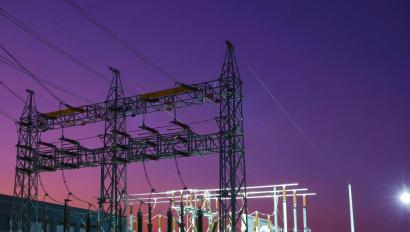
Understanding NERC Critical Infrastructure Protection (CIP) and Its Impact on Energy Organizations

Safeguarding the reliability of North America’s extensive, interconnected power grid – and the thousands of energy and utility organizations that make up its critical infrastructure – demands the highest levels of security, risk management, and industry regulation.
The NERC Critical Infrastructure Protection (CIP) standards set the benchmark for securing the Bulk Electric System (BES), guiding energy security leaders on the measures they must implement to ensure operational and business continuity within their organization and across the entire energy value chain.
The Key Topics Covered in This Blog
With compliance a key priority for our energy and utility clients, this blog dives deeper into what NERC CIP is, what it covers, and how to align with it effectively.
What is NERC CIP?
To define NERC CIP, let’s firstly break down what the abbreviation stands for. We know dissecting it in this way might feel a bit like "NERC CIP for dummies" - but we think it's important to understand what each part of the term represents.
- NERC stands for the North American Electric Reliability Corporation - a not-for-profit international regulatory authority whose mission is to assure the effective and efficient reduction of risks to the reliability and security of the grid.
- CIP stands for Critical Infrastructure Protection - a set of standards designed to protect the physical and cyber assets essential to the operation of the Bulk Electric System.
Now, let’s put them together for the full definition:
North American Electric Reliability Corporation Critical Infrastructure Protection (NERC CIP) is a set of regulatory cybersecurity and physical security standards created to protect the critical infrastructure associated with electricity generation, transmission, and distribution.
Who Must Comply?
NERC CIP compliance requirements are applicable to all energy and utility organizations (including Bulk Electric System owners, operators, and users) in the United States, Canada, and parts of Mexico.
Why NERC CIP Exists
NERC’s CIP critical infrastructure protection standards exist to help guard the energy infrastructure against rising cyber threats and physical attacks. As these threats continue to grow, the reliability of the power grid has become increasingly crucial, prompting legal and operational mandates to ensure its stability. NERC imposes these standards to help protect and maintain grid reliability.
For energy and utility organizations, meeting CIP standards is not just a recommendation; it's a requirement, with significant fines imposed for non-compliance that are enforced by the Federal Energy Regulatory Commission (FERC).
NERC security standards help to protect critical infrastructure by ensuring that energy systems remain secure and operational. At Securitas Technology, we're committed to supporting these efforts by providing solutions that help energy organization enhance security while meeting NERC CIP requirements.
NERC CIP Standards Overview
As you can imagine, NERC CIP regulations are comprehensive, designed to communicate the specific requirements for ensuring the highest reliability standards for the Bulk Electric Systems of North America. Here’s a quick overview of the standards, which cover both cyber security and physical security risk mitigation:
CIP-002 - BES Cyber System Categorization
This standard is about identifying and categorizing cyber systems that are crucial to the Bulk Electric System (BES). By prioritizing these systems, organizations can focus their protection efforts where they are most needed, ensuring that the most critical components are safeguarded against potential threats.
CIP-003 – Security Management Controls
Establishes the necessary security management controls to protect BES cyber systems. It requires entities to develop and implement policies and procedures that govern security practices, ensuring a structured approach to managing and mitigating risks.
CIP-004 – Personnel & Training
Ensures that personnel with access to BES cyber systems are properly trained and vetted. It emphasizes the importance of having qualified individuals who understand security protocols and can effectively respond to potential threats, thereby reducing the risk of human error.
CIP-005 – Electronic Security Perimeter(s)
Defines and protects electronic security perimeters to control access to BES cyber systems. By establishing boundaries and monitoring access points, organizations can prevent unauthorized access and safeguard sensitive data from cyber intrusions.
CIP-006 – Physical Security of BES Cyber Systems
Focuses on implementing physical security measures to protect BES cyber systems from unauthorized access. It includes requirements for securing facilities, monitoring physical access, and ensuring that only authorized personnel can interact with critical infrastructure.
CIP-007 – System Security Management
Addresses system security management practices, including patch management and vulnerability assessments. It requires entities to regularly update and assess their systems to identify and mitigate vulnerabilities, ensuring ongoing protection against evolving threats.
CIP-008 – Incident Reporting and Response Planning
Mandates the development of plans for reporting and responding to cybersecurity incidents affecting BES cyber systems. It ensures that organizations are prepared to quickly and effectively address incidents, minimizing impact and facilitating recovery.
CIP-009 – Recovery Plans for BES Cyber Systems
Requires entities to have recovery plans in place to restore BES cyber systems after a disruption. These plans ensure that critical operations can be resumed promptly, minimizing downtime and maintaining grid reliability.
CIP-010 – Configuration Change Management and Vulnerability Assessments
Involves managing configuration changes and conducting vulnerability assessments to maintain system integrity. It ensures that changes are documented and assessed for potential risks, preventing unintended consequences that could compromise security.
CIP-011 – Information Protection
Focuses on protecting sensitive information related to BES cyber systems from unauthorized access. It requires entities to implement measures that safeguard data confidentiality and integrity, preventing information leaks that could be exploited by adversaries.
CIP-012 – Communications between Control Centers
Ensures secure communication between control centers to protect data integrity and confidentiality. It requires entities to implement encryption and other security measures to prevent interception and tampering of critical communications.
CIP-013 – Supply Chain Risk Management
Addresses risks associated with the supply chain for BES cyber systems. It requires entities to evaluate and manage supply chain risks, ensuring that vulnerabilities are identified and mitigated before they can impact system security.
CIP-014 – Physical Security
This standard requires entities to identify and protect critical facilities from physical threats and vulnerabilities. It involves assessing potential risks and implementing security measures to prevent physical attacks that could disrupt operations.
While the above serves as a brief NERC CIP overview, you can find more detailed information about these standards on the official NERC website.
Physical Security & NERC
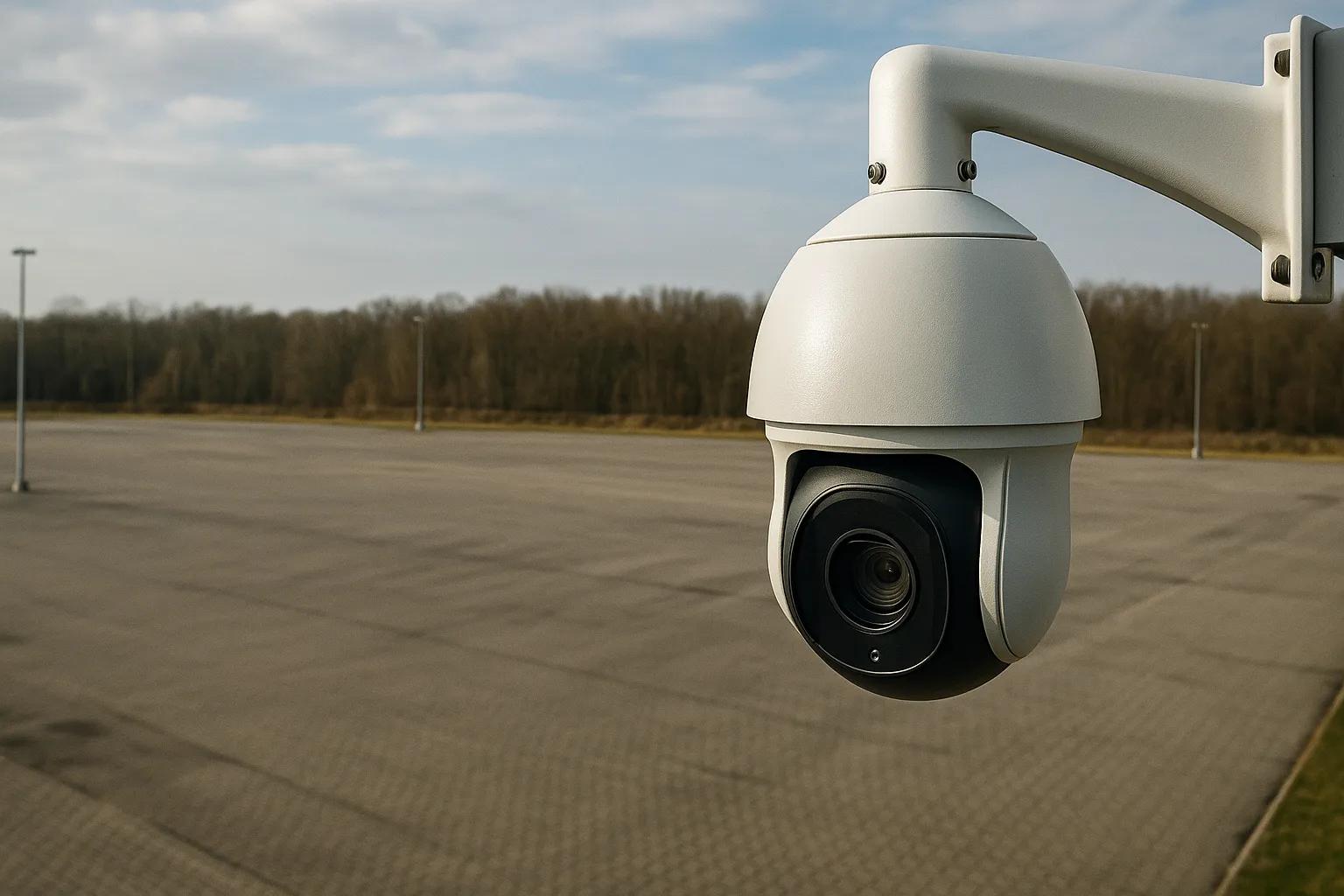
Implementing effective and reliable physical security measures is an essential requirement of NERC critical infrastructure protection. This involves the design, installation, monitoring, and maintenance of electronic security systems and technologies to help deter and detect criminal behavior, alert security personnel to potential physical security threats, and initiate a rapid response from third parties such as the emergency services.
The two main NERC Critical Infrastructure Protection (CIP) standards that focus on physical security are CIP-006 and CIP-014.
Security technologies and services that support organizations in meeting these standards include:
- Access control systems
- Video surveillance systems
- Intrusion detection systems
- Fire detection systems
- Thermal perimeter detection systems
- Drone detection systems
- Security monitoring and video monitoring services
- Professional and managed security services
- Digital security management platforms
In addition to deploying security technologies, integrating physical security data with cybersecurity tools is crucial for a well-rounded, NERC CIP compliant security strategy. Data integration allows security leaders to analyze threats more effectively, using physical system data like access logs and surveillance footage to better understand incidents. It also enhances incident response by allowing security teams to quickly correlate information for faster, more informed actions.
Cybersecurity & Operational Controls
Enhanced cybersecurity and operational controls are vital for defending critical infrastructure under NERC CIP standards. For example, protecting Electronic Security Perimeters (ESPs) and internal networks is a key focus of CIP-005 and CIP-007. These standards ensure that access points are secured, and system vulnerabilities are regularly assessed and patched, preventing unauthorized access from potential cyber threats.
Monitoring and alerting through managed services, such as Security Information and Event Management (SIEM) and Security Operations Centers (SOC), provide real-time insights into network activities. These services help detect anomalies and respond swiftly to incidents, enhancing overall security posture.
Credential and access control management, as outlined in CIP-004, is crucial for controlling who can physically access BES cyber systems. And by ensuring personnel are properly vetted and trained, organizations can reduce the risk of human error and unauthorized access, upholding the integrity and reliability of their operations.
Compliance & Operational Benefits
NERC CIP compliance offers significant operational benefits, helping organizations avoid costly fines and reputational risks associated with non-compliance. By adhering to these standards, entities can demonstrate their commitment to security, reducing the likelihood of penalties and maintaining trust with stakeholders. Streamlining audits is another advantage, achieved through centralized data and reporting. This approach simplifies the audit process, making it easier to provide evidence of compliance and quickly address any findings.
Maintaining robust security measures means collectively, energy and utility organizations contribute to the overall reliability of the power grid, which is essential for national security and the well-being of communities. Ensuring compliance not only safeguards an organization’s people, facilities, and assets - but also enhances its reputation and operational efficiency.
Putting NERC CIP Security into Practice
With innovative technologies and processes in place, organizations can demonstrate the real-world benefits of NER CIP compliance. Here are some practical examples:
Detecting a Substation Perimeter Breach Using Thermal and Drone Technology
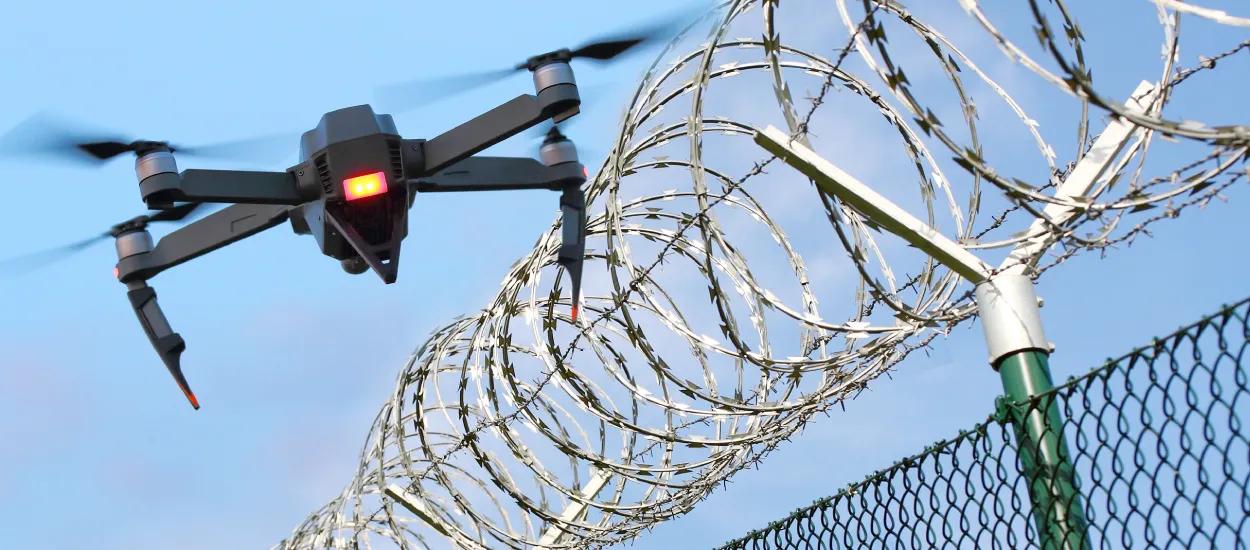
Detecting a substation perimeter breach through thermal imaging and drone detection systems exemplifies proactive security measures. The coordinated use of advanced security technologies including video surveillance, thermal imaging, and drone detection can provide real-time surveillance and alert capabilities, allowing for swift responses to potential threats by on-site security teams and external partners.
Integrating Access with Personnel Training Records for Audit Readiness
Integrating access control logs with personnel training records ensures audit readiness by verifying that only trained and authorized individuals access secure areas. Access logs provide a record of who enters and exits critical infrastructure, while training records confirm personnel qualifications. This integration simplifies audits by demonstrating compliance with NERC security like CIP-004, which requires personnel to be vetted and trained. It enhances security and streamlines the audit process, making it easier to provide evidence of compliance if needed.
Leveraging Video Monitoring to Trigger Rapid Incident Response
Video monitoring services play a crucial role in incident response. When an incident is detected, video footage can trigger immediate response actions, such as equipping the emergency services with valuable evidence and insights for resolving the situation. Video monitoring can also complement cybersecurity efforts in alignment with CIP-008 by providing additional context during an incident. For example, if a cyber breach coincides with suspicious physical activity, video footage can help security teams understand the full scope of the incident.
How Securitas Technology Helps with NERC CIP Alignment
End-to-End Energy Security Solutions from Assessment to Deployment
Working together with your key security stakeholders, Securitas Technology offers a long-term partnership to help your organization not just meet NERC CIP compliance requirements but supercharge its security capabilities. Our global specialization in energy security solutions and critical infrastructure security, together with experience of protecting energy facilities of all types and sizes, means we can support you in designing, implementing, monitoring, and maintaining NERC-compliant, integrated security systems that bring value beyond security.
Explore Our Energy Security Expertise
Integrated, Cyber-Ready Physical Security Solutions
Our world-leading security integration capabilities ensure your critical infrastructure is protected by proven technologies that combine to create a seamless security ecosystem that’s tailored to your organization. We integrate the full scope of physical security technologies – from access control to video surveillance to specialized solutions, such as perimeter intrusion detection systems – leveraging the latest cloud security services that include cutting-edge cybersecurity features.
Services That Support NERC CIP Standards
We’re not just one of the world's leading electronic security integrators. We're also a leader in security technology services. Our security services – including 24/7/365 security monitoring, service and maintenance excellence, intelligent video monitoring, and more – are designed to optimize your security program and ensure the performance and reliability you need to meet NERC CIP requirements.
Global Clients Program for Consistent Multi-Site Coverage
Maintaining the highest security standards and applying them consistently across your worldwide footprint is a challenge faced by every global integrated energy company. Through our dedicated Global Clients Program, supporting clients in over 40 countries, we combine innovative technology with deep industry expertise, enabling multinational organizations to establish a unified global security framework across all locations.
Learn About Our Global Clients Program
Security Management Platform for More Clarity and Control
In the energy sector, managing physical security systems from a centralized, easy-to-use platform is vital for gaining full visibility over each of your systems and sites. SecureStat® HQ™ is our all-in-one digital security management platform that simplifies security management, connects you to our services, and generates insights to optimize security and business performance.
Get Started with SecureStat® HQ™
Intelligence-Led Risk Awareness
Security is moving into a new phase where access to real-time risk intelligence will keep organizations ahead of potential threats to their security and operations. Securitas Risk Intelligence gives you simple, actionable information for proactive risk management at the local, national, and global level. Developed through a structured process that turns data into insight, our reports and alerts deliver actionable intelligence on relevant changes and how they can impact your critical infrastructure.

NERC CIP Compliance Next Steps
NERC Critical Infrastructure Protection is more than a compliance checklist – it’s a blueprint for grid security. Aligning with these standards is paramount for all organizations operating critical energy infrastructure, not just for your own security, but for the safety and reliability of the entire grid.
Partnering with a security provider that offers specialized knowledge of NERC CIP regulations, industry-leading technologies, and a full suite of support services can simplify compliance and strengthen your defense against risks. These capabilities, together with our purpose to help make the world a safer place, is why we at Securitas Technology are well placed to be the partner your organization demands.
Schedule a Consultation to Assess Your NERC CIP Compliance Readiness