Physical Security Threats to Oil & Gas Industry: Top Risks & Insights
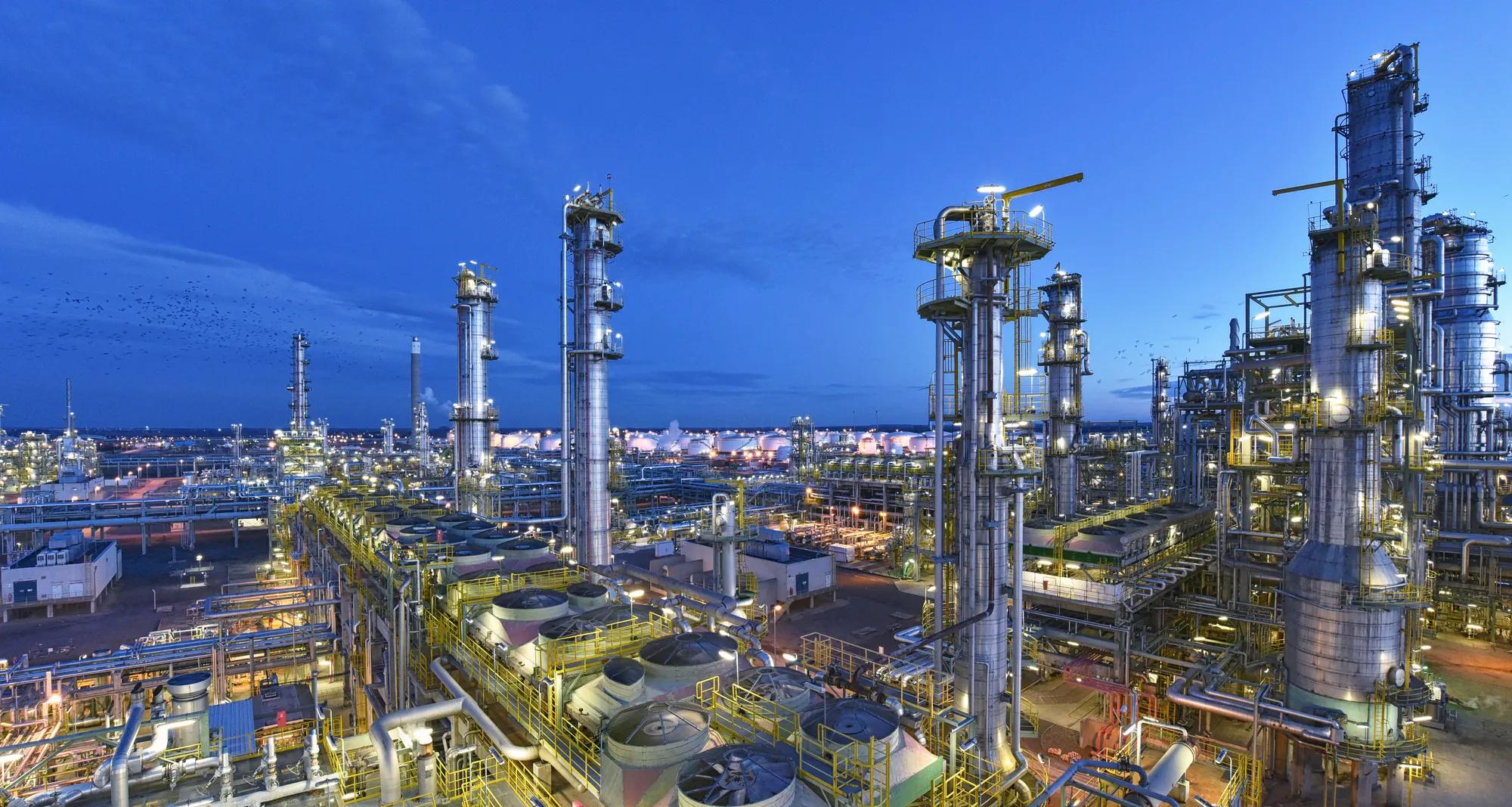
The oil and gas industry is a cornerstone of global energy infrastructure, powering economies and societies. However, this critical sector faces mounting security challenges, including physical sabotage.
With sprawling operations, aging infrastructure, and increasing digitization, oil and gas companies are prime targets for adversaries. This article explores the top security threats to oil and gas industry and actionable physical security strategies to help mitigate them.
Why the Oil & Gas Industry Is a High-Profile Target
Playing a significant role in the world’s energy supply chain, oil and gas operations are essential yet vulnerable. Their economic and societal importance makes them attractive to a wide range of external and internal threats including organized crime, cyberattacks, and even geopolitical motives.
Oil and gas facilities often span vast, remote areas, making them difficult to secure. Many established sites also rely on aging infrastructure and legacy operational technology (OT) systems that were not designed with modern security measures in mind. These are key factors as to why oil and gas is considered a high-risk sector.
Top Physical Security Threats Facing Oil & Gas Operations
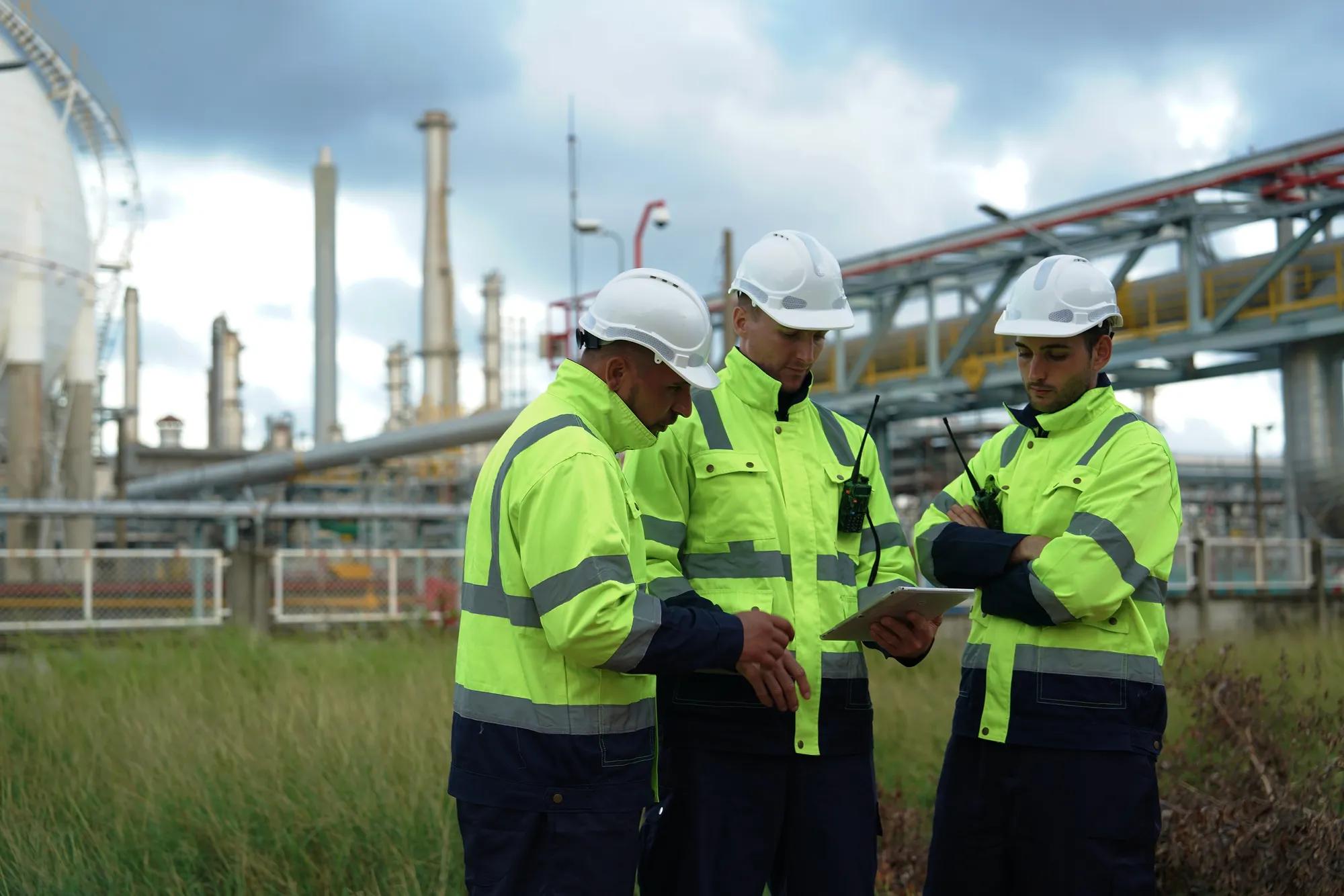
Oil and gas businesses must contend with a spectrum of security threats. Broadly, these fall into three key categories: physical security threats, insider threats, environmental/regulatory risks. Below, we break down each category and what it entails for energy operations:
Physical Security Threats
The exposure of the oil and gas industry to physical security threats is ever present, requiring a constant focus on risk management, combined with a robust physical security strategy to help prevent operational disruption. Key threats include:
- Perimeter Breaches: Intruders can cut fences or access unmanned facilities, especially in remote areas. These breaches can lead to theft, sabotage, or even environmental disasters.
- Theft and Vandalism: High-value materials like copper wire, fuel, and specialized equipment are frequent targets for thieves. In some regions, organized criminals have even siphoned oil from pipelines.
- Sabotage: Extremist groups or state-sponsored actors may damage pipelines or facilities to make political statements or disrupt economies
Insider Threats
Not all threats come from the outside; sometimes the danger can come from within. Insider threats are almost impossible to detect as they are typically exploited by employees, authorized contractors, or site visitors who have been granted access rights and therefore placed in a position of trust.
- Disgruntled employees or contractors with authorized access can sabotage systems or steal sensitive data. For example, an insider might disable safety systems or leak confidential exploration data. Remote sites with minimal staffing are particularly vulnerable to such threats.
Environmental & Regulatory Vulnerabilities
This category of threat encompasses scenarios where attackers exploit the sector’s safety and environmental stakes, or where security lapses lead to non-compliance.
- Extreme weather events can have an outsized impact on the oil and gas sector. All organizations need to worry about employee safety and property damage, but oil and gas operators must also prepare for spills and other environmental impacts.
- Physical or cyber interference with safety systems can lead to spills, fires, or explosions, endangering lives and ecosystems. A single incident can have long-term environmental and financial consequences.
- Regulatory non-compliance following a security breach can result in hefty fines and legal penalties. Governments worldwide are tightening security and environmental standards, making compliance a critical concern for oil and gas operator.
How Threats Impact the Energy Sector
Production Downtime and Fuel Shortages
Security breaches often force companies to halt operations, leading to significant revenue losses. For example, the 2021 Colonial Pipeline attack caused days of fuel shortages and panic buying. Every hour of downtime can cost millions, making operational continuity a top priority.
Safety Incidents and Environmental Damage
Undetected intrusions or system failures can result in fires, explosions, or toxic releases, endangering workers and ecosystems. A single spill can have long-term environmental and financial consequences.
Financial Losses and Regulatory Fines
The average cost of a data breach in the energy sector is $4.4 million according to IBM, excluding fines and cleanup costs. Non-compliance with security standards can lead to additional penalties. Non-compliance with security standards can lead to additional penalties. For example, regulators may impose fines if a company fails to meet cybersecurity or environmental protection requirements. Breaches often start on the inside, underlining the importance of effective physical access technologies and processes.
Erosion of Public and Stakeholder Trust
High-profile breaches damage reputations, erode public trust, and make investors wary. Rebuilding goodwill can take years. Customers may question the reliability of energy supplies, while employees may feel unsafe if security measures are inadequate.
Layered Physical Security Strategies That Work
A layered security approach combines multiple technologies and protective measures to create a robust defense. Key solutions include:
- Access Control Systems: Modern access control systems, such as biometric or badge-based solutions, restrict entry to critical areas. Multi-factor authentication (MFA) adds an extra layer of security. These systems also help enforce safety protocols by limiting access to hazardous zones.
- Video Surveillance with AI Analytics: AI-enhanced video surveillance detects suspicious activities in real time, reducing false alarms and improving response times. Thermal cameras can spot intruders even in darkness or harsh weather. For example, systems can identify a person approaching a restricted area at night and alert security teams immediately.
- Drone Detection and Thermal Perimeter Sensors: Drone detection security systems monitor airspace for unauthorized activity, while thermal perimeter detection uses advanced sensors to help secure vast, remote perimeters by detecting heat signatures. These technologies are particularly valuable for protecting remote oilfields and pipeline networks.
- 24/7 Monitoring and Professional Response: Security monitoring services delivered from remote monitoring centers provide constant vigilance, verifying threats and coordinating swift responses. This is especially valuable for unmanned or after-hours facilities. For example, if a perimeter alarm triggers at a pipeline station, monitoring teams can review camera feeds, issue audio warnings, and dispatch security personnel.
- Screening Technology: Advanced screening and threat detection technologies help oil and gas facilities to proactively safeguard data and operations by screening everyone with access to sensitive areas as part of a multi-layered approach to high security. Screening is designed to detect concealed items and identify objects that could be leveraged for data theft, insider threats, sabotage of operations, and more.

Best Practices for Risk Mitigation
By addressing physical security with tailored best practices, organizations can build a robust, integrated defense against a wide range of threats that strengthens critical infrastructure security and enhances overall energy security.
Physical Security Best Practices
- Regular Assessments and Testing: Work together with your physical security partner to evaluate your physical security needs on a regular basis, including the performance of existing systems and potential of emerging technologies. Regularly inspect physical barriers and security equipment to ensure they are functioning as intended, while conducting penetration testing can help assess physical defenses, such as gates, access controls, and surveillance systems.
- Access Control and Monitoring: Restrict physical access to sensitive areas using keycards, biometrics, or PINs. Maintain detailed visitor logs and ensure all visitors are escorted and regularly review access permissions to align with current roles and responsibilities.
- Third-Party Oversight: Vet contractors and vendors who require physical access to your facilities. Limit their access to only what is necessary and monitor their activities while on-site.
- Automated Surveillance: Use AI-enabled cameras, motion detectors, and other automated tools to monitor physical spaces in real time. These systems can quickly detect and alert teams to unauthorized access or suspicious activity.
- IT Partnership: Always work closely with IT stakeholders in designing and implementing physical security networks. This includes evaluating the security of third-party integrations and partnering with vendors who understand the intersection of physical and cybersecurity.
- Preventative Cybersecurity Measures: Safeguard physical security networks against potential cyber threats by conducting regular vulnerability assessments to identify weaknesses, implementing network segmentation to limit the impact of breaches, and using multi-factor authentication to secure sensitive access points.
How Securitas Technology Supports Integrated Energy Security
Securitas Technology offers tailored physical security solutions, specialized knowledge, and multi-environment expertise to help enhance critical infrastructure security for energy and utilities organizations. Our teams work closely with oil and gas clients to help mitigate risks and protect their operations through key offerings that include:
Physical Security Technologies
- Access control systems (badge, biometric, and mobile credentials)
- AI-enhanced video surveillance and thermal cameras
- Drone detection systems and thermal perimeter detection
- Fire detection systems
- Advanced screening technologies
24/7 Alarm Monitoring
- Security monitoring services to verify alarms and coordinate responses.
- Professional and managed services to ensure security systems remain operational and up-to-date.
Cybersecurity Alignment
- Physical security products and solutions designed to meet regulatory standards like the North American Electric Reliability Corporation’s Critical Infrastructure Protection (NERC CIP) standards, the United States' Transportation Security Administration (TSA) Pipeline Security Directive (SD-Pipeline-2021-02D), and Europe’s NIS2 Directive.
- Integration with client cybersecurity systems for unified reporting.
Consultative Partnership
- Comprehensive security assessments and tailored solutions.
- End-to-end implementation, training, and ongoing account management support.
- Proactive advice on new and emerging security technologies to help keep clients ahead of industry trends.
In a world of increasingly sophisticated attacks, Securitas Technology helps oil and gas security leaders to see a different world, adapt to new innovations, and ultimately stay ahead of evolving threats to their operations.
Conclusion and Next Steps
The oil and gas industry faces a complex and evolving threat landscape. The risks are significant, but they can be mitigated with a proactive, layered approach to security. By combining advanced physical security technologies, expert monitoring, and best practices, oil and gas companies can protect their people, assets, and reputation.
Securitas Technology is committed to helping energy providers stay ahead of threats with integrated, resilient security solutions. Our goal: to help ensure the safety and reliability of the critical infrastructure that powers the world.
Discover how Securitas Technology secures energy infrastructure against today’s most serious threats
Talk to a Security Expert About Protecting Your Oil & Gas Operations
Assess your current security posture and explore tailored solutions for your facilities.