Protecting Power: The Critical Role of Physical Security in Energy Security
Energy powers every part of our society – but that makes it a top target for disruption. For organizations operating across the energy value chain, the cost of disruption is more than monetary; any security breach could have a serious impact on the people, businesses, and other critical infrastructure that rely on them for uninterrupted energy supply.
While global energy security is a complex subject with many geopolitical aspects, security leaders play a crucial role in helping safeguard the energy supply chain by ensuring critical infrastructure security and energy infrastructure protection through layered physical security measures.
The Key Topics Covered in This Energy Security Blog
This article explores energy security issues and focuses on how physical security measures help protect the sector from evolving risks.
What is Energy Security?
For security professionals working across the energy sector, we understand this question really needs no explanation. You’re the experts in this space and you know the energy industry better than anyone.
But for readers who may not be so familiar with the term ‘energy security’ – and its various connotations – we wanted to provide a basic explanation. So, what is the meaning of energy security in simple terms?
Energy security meaning:
Energy security is about ensuring the uninterrupted availability of energy, delivered at an affordable price. It means having access to the energy we need, when we need it, without disruptions.
When talking about energy security, it’s important to know that there are many factors to consider. That’s because world energy security is complicated and encompasses several critical issues such as energy affordability and availability, political instability, cybersecurity risks, and disaster resilience – among other factors.
It also includes the physical protection of energy infrastructure, which is the focus of this article, and our specialization here at Securitas Technology.
Why Energy Security Matters
Energy security is essential because it underpins economic activity, public safety, and national security. A stable energy supply is needed for businesses to operate smoothly, for communities to function safely, and for nations to protect their interests.
If the energy grid fails or there are supply shortages, the effects can ripple across various industries, causing disruptions that impact production, services, and daily life. This can lead to economic losses and compromise public safety.
Furthermore, national energy security is increasingly challenged by geopolitical tensions, natural disasters, and climate change. These factors can threaten the stability and availability of energy resources, making it vital to have robust systems in place to manage and mitigate risks.
The Importance of Energy Security Reliability & Resilience
With the reasons above in mind, ensuring long-term reliability and short-term resilience are imperative for both energy and national security. It involves government and energy sector leaders working together on the ongoing mission to maintain a reliable and secure energy supply.
- Long-term supply reliability: This means ensuring that we have a steady and dependable supply of energy over many years. It involves planning and investing in energy infrastructure, diversifying energy sources, and securing contracts with suppliers. The aim is to prevent future shortages and maintain stable prices for consumers, even as demand grows or circumstances change.
- Short-term system resilience: This focuses on the ability of the energy sector to withstand and quickly recover from unexpected disruptions, like natural disasters, security threats, or technical failures. It's about having backup systems, emergency plans, and flexible operations to keep energy flowing smoothly, even in challenging situations.
Main Types of Energy Security
Breaking down this complex topic into pillars is a great way to understand the different types of energy security. You may find a few variations of the pillars below, but here’s how we like to categorize them:
- Availability: Having access to a steady and reliable supply of energy resources to ensure energy is consistently accessible to meet the demands of consumers and industries.
- Affordability: Keeping energy costs stable and predictable for both suppliers and consumers so that energy prices remain reasonable – to avoid economic strain and ensure everyone can afford the energy they need.
- Reliability: Maintaining the strength and resilience of energy infrastructure by having systems in place that can withstand disruptions and sustain continuous energy supply, even in the face of challenges like natural disasters or technical issues.
- Sustainability: Ensuring that energy production and consumption are environmentally sustainable and socially acceptable – such as using renewable energy sources, improving energy efficiency, and reducing carbon emissions to protect the planet for future generations.
- Protection: Deploying energy security solutions to help safeguard people and assets from physical threats like sabotage, vandalism, or terrorism. While physical security is our specific focus area, this pillar also includes protecting against digital security threats, such as cyber-attacks.
Key Threats to Energy Security
The energy value chain is constantly threatened by a multitude of risks, both external and internal. These energy security concerns, threats, and risks require proactive measures and contingency planning to minimize their impact on operations and ensure energy security and safety.
Let’s take a look at some of the key threats that energy and security professionals are faced with protecting their organizations against every day, starting with the topic at the centre of this article:
Physical Security Threats
Physical threats to the security of energy and natural resources include those common with other sectors, such as vandalism, as well as more complex threats like drones:
- Vandalism: Dealing with malicious incidents where intentional destruction or defacement of property, assets, and data can disrupt operations, leading to harmful outages and costly repairs.
- Theft: Managing the threat of unauthorized trespassing, intrusion, and theft of valuable assets and data that can compromise sensitive operations and information.
- Drone Incursions: Responding to unauthorized drone activity whereby a drone breaching the site perimeter and entering restricted areas of energy facilities could pose risks to privacy and security.
- Insider Sabotage: Managing incidents where employees or trusted individuals take advantage of their access rights to intentionally damage or disrupt operations, often motivated by personal grievances or external influence.
Cybersecurity Threats
With digital threats becoming increasingly frequent and sophisticated, cybersecurity is also a key area of concern within energy national security:
- Grid Attacks: Hackers deliberately targeting critical energy infrastructure systems like power grids, aiming to disrupt services and cause widespread chaos to society.
- Targeting of SCADA Systems: This involves cybercriminals using malicious software called ransomware to encrypt data in Supervisory Control and Data Acquisition systems, demanding a ransom for their decryption. Used to monitor and control power grids, power plants, and distribution networks, disruption to SCADA technology can halt industrial operations and compromise safety.
Climate & Environmental Risks
The effects of climate change, natural disasters, and local weather events are an ever-present risk to the energy security of supply and power grid infrastructure:
- Wildfires: Capable of destroying property and critical infrastructure, leading to evacuation and long-term economic impacts.
- Extreme Weather: Hurricanes, tornadoes, and blizzards, which can damage energy facilities and disrupt supply chains.
- Flooding: Resulting from heavy rains or storm surges, causing damage to energy facilities, and leading to operational delays.
Geopolitical Disruptions
Maintaining consistent and sustainable energy security can sometimes be affected by decisions made at government-level, such as:
- Fuel Supply Chain Instability: Arising from political tensions or conflicts, affecting the availability and cost of fuel.
- Regulatory Volatility: Sudden changes in laws or regulations, which can impact business operations and energy sector compliance requirements.
Examples of Vulnerable Physical Points in the Energy Chain
The sensitive nature of energy facilities and operations presents unique physical security challenges that security specialists must address. Here are several common examples of energy security vulnerabilities that require strong risk mitigation strategies:
Remote Substations with Minimal Surveillance
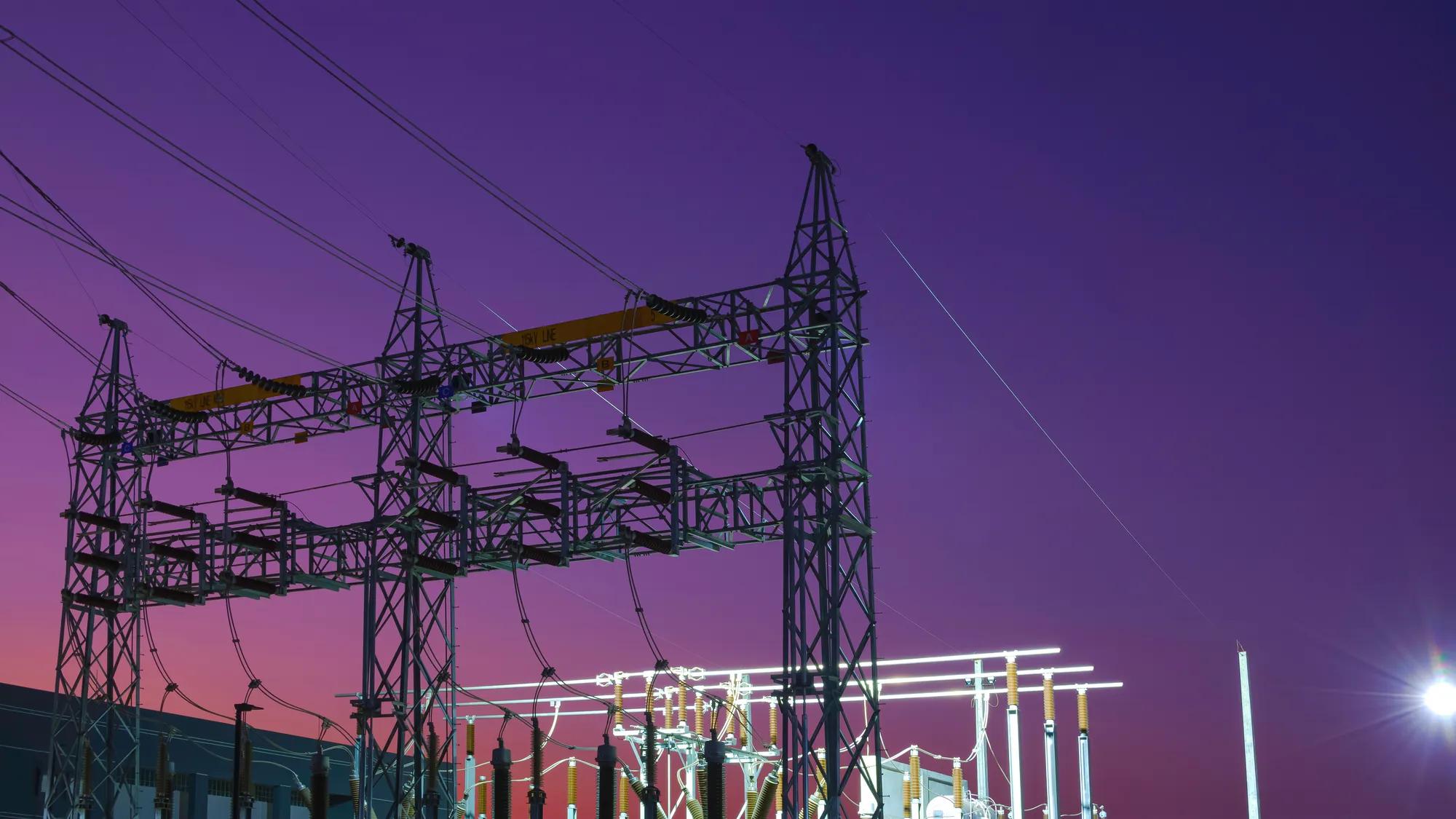
These are facilities that help distribute electricity but are located far from urban areas. Because they're remote, they’re often manned by few staff; some are even unmanned. With less human presence on site, and minimum surveillance in the surrounding areas, they can be more vulnerable to trespassing and vandalism.
Perimeter Breaches or Unauthorized Site Access
To protect them from public access and interference, most energy sites are surrounded by a site perimeter. If the perimeter fence or gates are compromised, this not only poses a risk to the security of the energy infrastructure, but also to the life of the intruder, who may be exposed to highly hazardous equipment.
Unmonitored Entry Points Near Transmission Lines or Control Rooms
These are access points that aren't covered by video surveillance or don’t feature access control technology. A lack of physical security in these areas could allow an intruder to gain access and interfere with the operation of transmission lines or control rooms, which are fundamental for managing the flow of electricity.
Lack of Layered Detection at High-Risk Storage Sites
High-risk storage sites such as wind and solar farms that hold critical equipment and materials e.g. Battery Energy Storage Systems (BESS) and micro data centers need multiple layers of physical energy and renewable security measures. Without these layers, it becomes easier for potential threats to go unnoticed, increasing the risk of intrusion, theft, and sabotage.
How Technology Strengthens Physical Energy Security
Energy security systems play a huge role in helping to safeguard critical infrastructure and support the reliability of the energy sector. From deterrence to detection to incident response, the use of advanced security technology helps security teams mitigate risks and manage physical threats that could easily disrupt operations and damage the reputation of the organization they work for.
It’s therefore reassuring to know that energy sector security specialists are highly experienced in leveraging the latest security solutions and security services, as well as other specialized technologies to help solve specific physical energy security and safety challenges.
Access Control for Managing Who Gets In – And When
Access control systems help regulate entry to energy facilities by verifying the unique credentials of an individual using cards, pin codes, and biometric characteristics. This technology ensures that only authorized personnel can access sensitive areas, and it can be customized to allow entry at specific times.
Video Surveillance & Monitoring for Real-Time Alerts and Evidence
Video surveillance systems allow energy organizations to watch over facilities and operations 24-hours a day, offering real-time alerts to suspicious activities and safety incidents. They record footage that can be used as evidence in investigations, as well as leveraging video monitoring services, artificial intelligence (AI), and video analytics to help proactively detect potential threats, enhancing overall security.
Drone Detection Systems for Early Warning of Airspace Intrusions
Drone detection security helps identify unauthorized drones entering the airspace above energy facilities. This early warning system is crucial for preventing potential threats to your operations and collecting the evidence you need to report the activity.
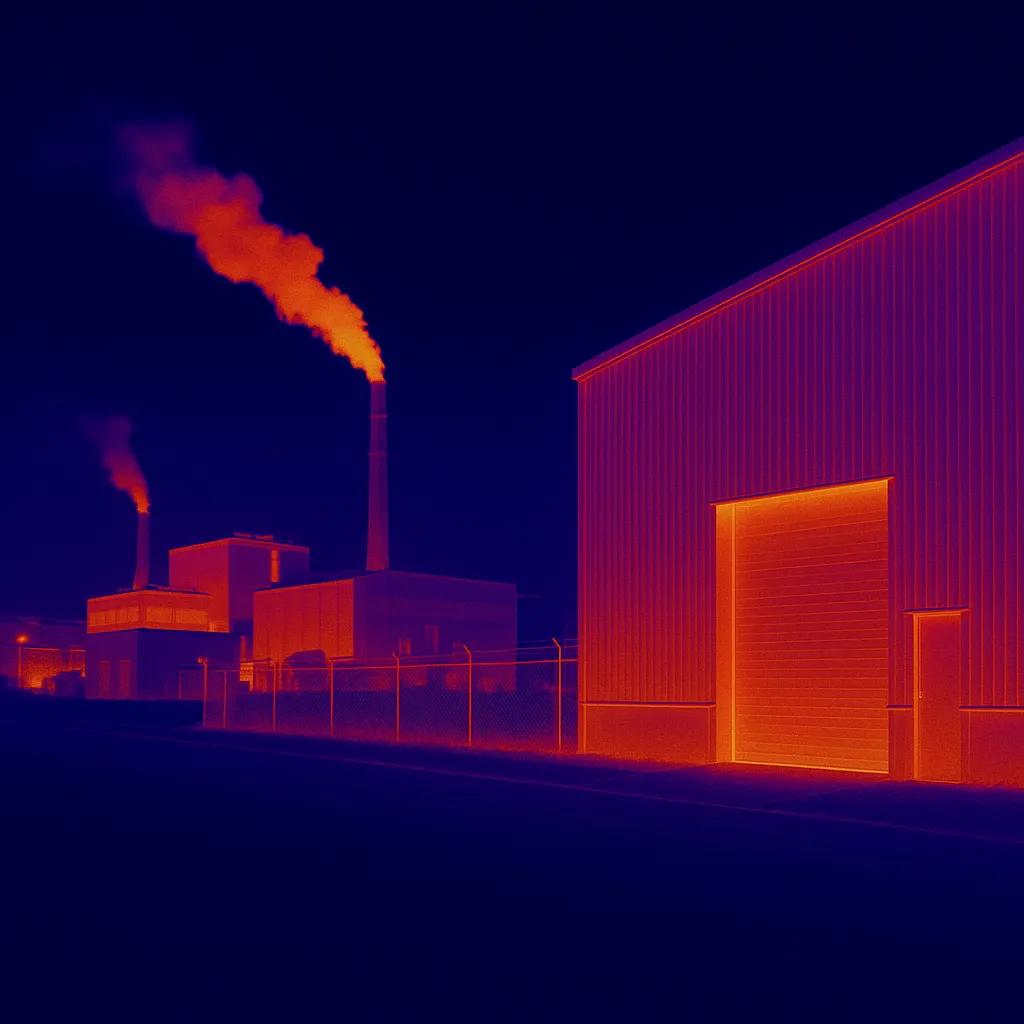
Thermal Perimeter Detection for After-Hours Breach Visibility
Thermal perimeter detection uses heat-sensing technology and intelligent analytics to monitor large areas for unauthorized access, especially after-hours. It enhances security by providing high visibility in low-light conditions, ensuring perimeter breaches are detected and responded to promptly.
Security Monitoring Services for 24/7 Response in Remote Locations
Security monitoring services offer round-the-clock alarm monitoring and response, managed remotely from a security operations center (SOC). This approach ensures continuous protection and rapid reaction to incidents, leveraging the latest monitoring technology and expertise.
Energy Security & Compliance
It’s no surprise that ensuring the security of critical energy infrastructure – and the long-term reliability of the power grid – requires strict regulation. This makes compliance a key priority for all types of energy organizations, who must ensure their physical security and cybersecurity processes meet the standards set by the leading energy industry regulators.
These bodies play important roles in shaping policies and standards that enhance the security of energy infrastructure. While regulations differ by locality, we’ve listed below some of the foremost authorities to be aware of:
- International Energy Authority (IEA): The IEA works to ensure energy is dependable, affordable, and clean. It focuses on energy security to protect infrastructure from disruptions, indirectly supporting physical security resilience by promoting IEA energy security and preparedness against threats.
- International Organization for Standardization (ISO): ISO develops international standards for various industries, including energy. These standards ensure quality, safety, and efficiency. ISO 27001, for example, focuses on information security management, including physical security measures for data centers and critical infrastructure.
- North American Electric Reliability Corporation (NERC): NERC sets standards for energy and utility companies in the United States, Canada, and parts of Mexico. Its Critical Infrastructure Protection (NERC CIP) standards help guard against cyber threats and physical attacks, including specific guidelines for physical security systems.
- Federal Energy Regulatory Commission (FERC): FERC oversees the interstate transmission of electricity, natural gas, and oil, ensuring the reliability and security of the energy grid. It sets standards to protect critical infrastructure from physical and cyber threats.
- Department of Energy (DOE): The DOE manages United States’ energy policy and infrastructure, setting standards and guidelines for facility protection. It also conducts research and offers resources to improve security against physical threats.
- Network and Information Systems Directive 2 (NIS2): NIS2 enhances cybersecurity and physical security in Europe. It focuses on protecting critical infrastructure, like energy facilities, from cyber and physical threats. By setting standards for risk management, NIS2 helps organizations improve physical security and comply with EU regulations.
With deep understanding of these regulations – and the comprehensive security capabilities to match – we help clients to not only meet resilience requirements and insurance conditions but stay ahead of regulatory obligations as they evolve.
How Compliance Contributes to Sustainability Goals
Regulatory compliance is more than just ticking a box. Being compliant with regulations such as NERC CIP physical security standards can also support an organization’s ESG (Environmental, Social, and Governance) reporting and sustainability goals. How? By ensuring highly robust security systems are in place to protect critical infrastructure.
This ultimately contributes to the social aspect of ESG by safeguarding communities and maintaining reliable energy supplies. Additionally, strong security practices align with sustainability objectives by promoting resilience and reducing the risk of disruptions, which themselves can have environmental and economic impacts.
Partnering for Energy Sector Resilience
In the ever-evolving landscape of energy infrastructure, resilience against physical threats is key. Securitas Technology is committed to supporting integrated protection strategies that address the unique challenges faced by energy organizations and utility operators.
We understand that every organization has unique physical security requirements, which is why our energy security solutions are specifically tailored to meet the complex needs of the energy sector. Our security technology and services are designed to be flexible and adaptable, providing comprehensive protection that aligns with industry standards and regulatory responsibilities.
Our global capabilities are complemented by a localized response, ensuring that we can deliver effective security solutions wherever they are needed. With a presence in over 40 countries, we offer the expertise and resources necessary to address regional security challenges while maintaining a consistent level of service worldwide.
By partnering with Securitas Technology, energy organizations can mitigate risks, protect their assets, and contribute to a sustainable future.
Actionable Energy Security Measures
Whether you’re an expert in energy security or a newcomer to the topic, we hope this article has helped you learn something new about the critical role physical security plays in protecting the world’s energy infrastructure.
We started with the basics, including the energy security meaning and looking at some energy security examples, before covering more advanced topics like the key threats to energy security and the types of technology and physical security solutions that can help strengthen energy sector resilience.
If there’s one thing to take away with you, it’s that energy security has many pillars – but the implementation of comprehensive physical security measures remains absolutely key. And for security leaders at the front line of energy infrastructure protection, it’s an actionable part of energy security that you can fully take responsibility for. Combined with a wider strategy that includes cyber resilience and meeting robust compliance requirements, you play a vital role in keeping power flowing safely and sustainably.
Talk to An Energy Security Specialist About Your Critical Infrastructure Protection Needs