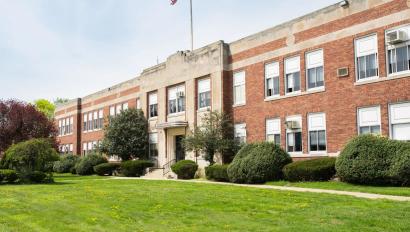
How K-12 Schools and Universities Can Modernize Security with Perimeter Detection

Most security conversations start at the front door: who unlocks it, who's allowed through, what happens during a lockdown. Fewer start at the property line, the parking lot, the fence behind the football field, the loading dock where deliveries arrive before sunrise, or the open quad bordering a city street on a university campus. An institution that waits until someone reaches the building has already lost its best window to respond.
Perimeter detection moves that window earlier. A K-12 district or university gets a notification the moment someone crosses a fence line, lingers near a side entrance after dismissal or after a building closes for the night, or enters a restricted area, instead of finding out after a teacher, student, or staff member reports something out of place. That early notice gives staff, and in serious situations law enforcement or campus police, time to act before an incident develops inside a building full of people.
What Perimeter Detection Actually Covers
Perimeter detection works as a layer of technology built around a campus boundary: the fence line, the parking lots, the open green space between buildings on a sprawling K-12 campus or a university quad bordered by public streets. The goal is constant awareness of the entire boundary, beyond the doors people walk through.
A high school with three buildings, a stadium, and parking for 400 cars has a perimeter measured in acres, not feet. A university campus often measures that perimeter in the hundreds of acres, spanning academic buildings, residence halls, athletic facilities, and parking structures that sit blocks apart. One resource officer, or one campus police unit covering a large university, can't watch all of that at once, especially during the day when hundreds or thousands of people move between buildings. Perimeter detection extends that coverage, flagging activity as it happens instead of after someone notices and reports it.
For elementary and middle schools, the scale looks different, but the gap is the same. A single access road, a fenced playground, a bus loop that empties out by 8:15 each morning: each one is a place a stranger could approach the building unnoticed if staff aren't positioned to see it. On a university campus, that same gap shows up around residence halls late at night, parking structures after events let out, and academic buildings that stay open well past business hours for evening classes or late-night research.
Types of Perimeter Detection Technology
Video Analytics
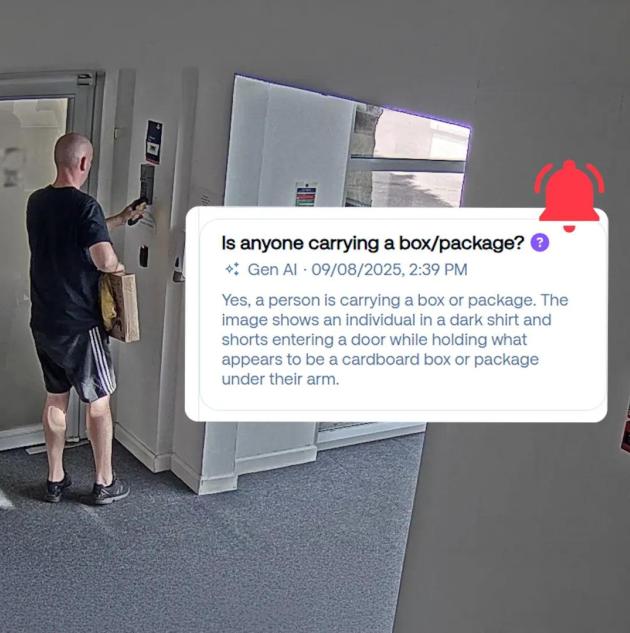
AI-powered video analytics read what a motion sensor alone can't. The system tells the difference between a deer crossing a field at night and a person approaching a side door, which cuts down the false alarms that make older motion-only systems exhausting to manage. During the school day or a busy class change on a university campus, the same analytics can flag a person loitering near an entrance after dismissal, or a vehicle parked in a restricted zone near a bus lane or residence hall loading area. Learn more about the power of video analytics.
Motion Sensors
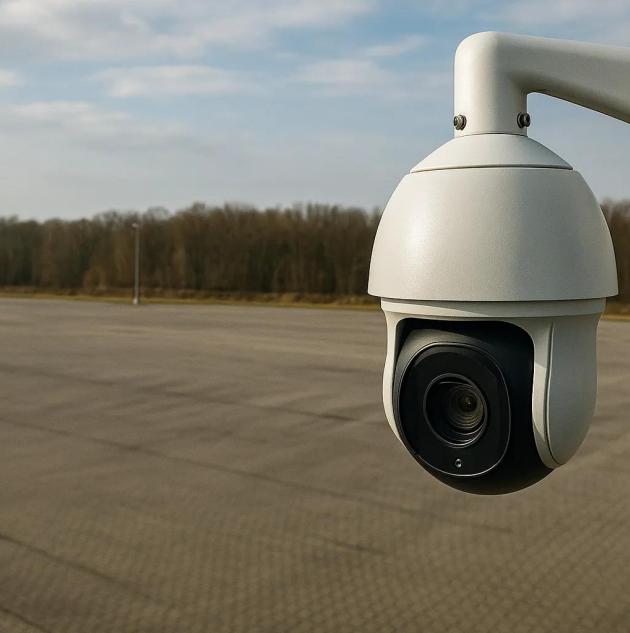
Motion sensors cover fence lines, loading docks, and parking lots during the hours a campus sits empty or quiet. A sensor near an equipment shed, athletic field, or university parking structure triggers an alert and notifies a monitoring center the moment it detects movement after hours, long before anyone would notice a break-in or vandalism the next morning.
Integrated Alarm Systems
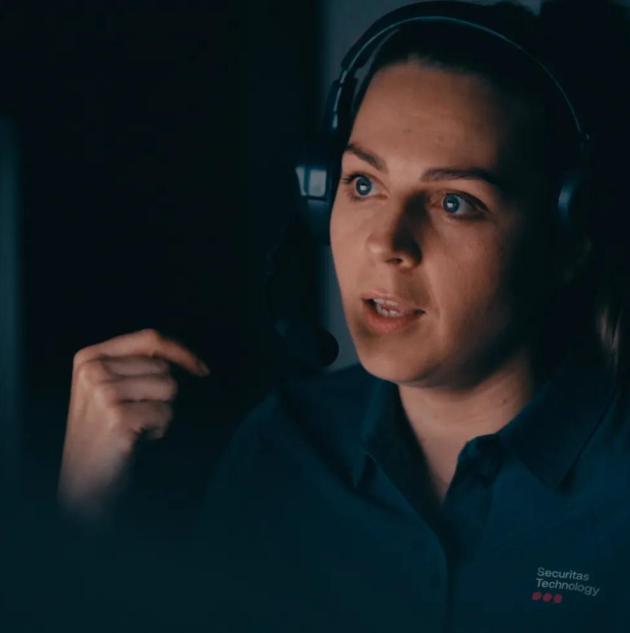
A perimeter sensor only helps if the alert reaches someone who can act on it. Integrated alarm systems tie a fence breach or motion trigger directly into the building's existing alarm and lockdown protocol, so a 2 a.m. breach notifies a monitoring center and campus security or campus police at the same time, instead of going unread until someone checks the log the next morning.
Best Practices for Implementing Perimeter Detection

Start with a risk assessment specific to each campus
A rural elementary school with one access road faces different exposure than an urban high school bordered by city streets on three sides, and a downtown university campus faces a different risk profile than one set apart from a city.
Layer perimeter detection with what's already inside the building
A fence breach alert should land in the same dashboard as access control and video, not sit in a separate app staff rarely open.
Centralize monitoring across all the buildings or campuses an institution manages
If there's a breach at one school, or one corner of a university campus, it shouldn't have to depend on someone happening to notice it on a local screen.
Train your staff on what an alert means and what to do next.
A notification that your staff don't understand doesn't prevent anything. Training and practice make all the difference in acting quickly and effectively.
Work with a partner who designs the system around each campus's layout
Find a partner who has experience and can get you a system that fits your specific needs instead of installing the same sensor package at each building regardless of need.
Start with a risk assessment specific to each campus
A rural elementary school with one access road faces different exposure than an urban high school bordered by city streets on three sides, and a downtown university campus faces a different risk profile than one set apart from a city.
Layer perimeter detection with what's already inside the building
A fence breach alert should land in the same dashboard as access control and video, not sit in a separate app staff rarely open.
Centralize monitoring across all the buildings or campuses an institution manages
If there's a breach at one school, or one corner of a university campus, it shouldn't have to depend on someone happening to notice it on a local screen.
4 Ways Perimeter Detection Helps Schools and Campuses Stay Safe
It Catches Problems Before Anyone Inside the Building Knows
Indoor security reacts. Perimeter detection gives staff a head start. A fence sensor that fires when someone cuts through a chain link at 11 p.m. notifies campus police before that person reaches a door, a parking lot, or a group of students walking between evening classes. The time between that first alert and a police response is where outcomes are decided. Getting that notification 90 seconds earlier changes what a security team can do with it.
It Covers the Hours Staff Can't
A K-12 campus empties after the final bell. A university campus shifts into a different mode after 10 p.m., with fewer people moving between buildings and fewer staff positioned to notice something off. Perimeter detection runs continuously, covering athletic facilities, equipment storage, and access roads during the exact hours when a human presence is thinnest. A motion trigger at a stadium entrance at 2 a.m. reaches a monitoring center immediately rather than turning up as a report the next morning.
It Reduces False Alarms Without Reducing Vigilance
Older perimeter systems trigger on anything that moves: a raccoon crossing a parking lot, a branch in the wind. AI-powered video analytics changed that. The system distinguishes between a person climbing a fence and a deer crossing an open field, which means security staff spend less time responding to nothing and stay attentive when an alert does come in. For a district managing multiple campuses or a university security team covering a large geographic footprint, that filtering makes a real operational difference.
It Strengthens the Case for Funding
Boards of education and university administrators approve security budgets based on what they can measure. A perimeter detection system produces data: the number of after-hours alerts, the locations where activity concentrates, the response times for each event. That reporting gives security directors something concrete to bring to a budget meeting rather than a general case for "more security." A district that tracks three unauthorized after-hours entries at the same athletic facility across six months has a specific, documented justification for a fencing upgrade or a lighting improvement in that area.
Perimeter Detection FAQs
Perimeter detection refers to technology installed along the outer boundary of a school or university campus, including fence lines, parking lots, and open green space, to detect unauthorized entry or suspicious activity before it reaches a building. Systems typically combine motion sensors, video analytics, and sensor-equipped fencing, connected to an alarm and monitoring platform.
It scales to any campus size. A rural elementary school with one access road and a fenced playground benefits from a sensor that covers that single perimeter as much as a large urban high school needs coverage across multiple access points. The system design adjusts to the footprint.
A properly integrated system ties perimeter alerts directly into the building's alarm and lockdown protocol. A breach at the fence line notifies the monitoring center and campus security at the same time, so a lockdown decision doesn't wait for someone to manually report the event first.
Yes. Most current systems connect with access control, video surveillance, and alarm platforms already in place. A new installation doesn't require removing existing hardware; it adds a layer on top of what a district or university already manages.
Perimeter Detection Is One Layer, Not the Whole Plan
Perimeter detection closes a gap that indoor security alone leaves open, but it works as one part of a larger plan, alongside access control, video surveillance, and the staff training that helps a team turn an alert into a response. A K-12 district or university that adds perimeter sensors without connecting them to the rest of its security program gets more data, not necessarily more safety.
Securitas Technology helps K-12 districts and higher education institutions assess each campus and design a perimeter detection approach that fits its layout, then manages the system once it's running. Get in touch today with our education security team about extending protection beyond your front doors.
Obtain more information on perimeter detection