
Physical Security Trends From GSX 2026: Turning Intelligence Into Action
Physical Security Trends From GSX 2026: Turning Intelligence Into Action
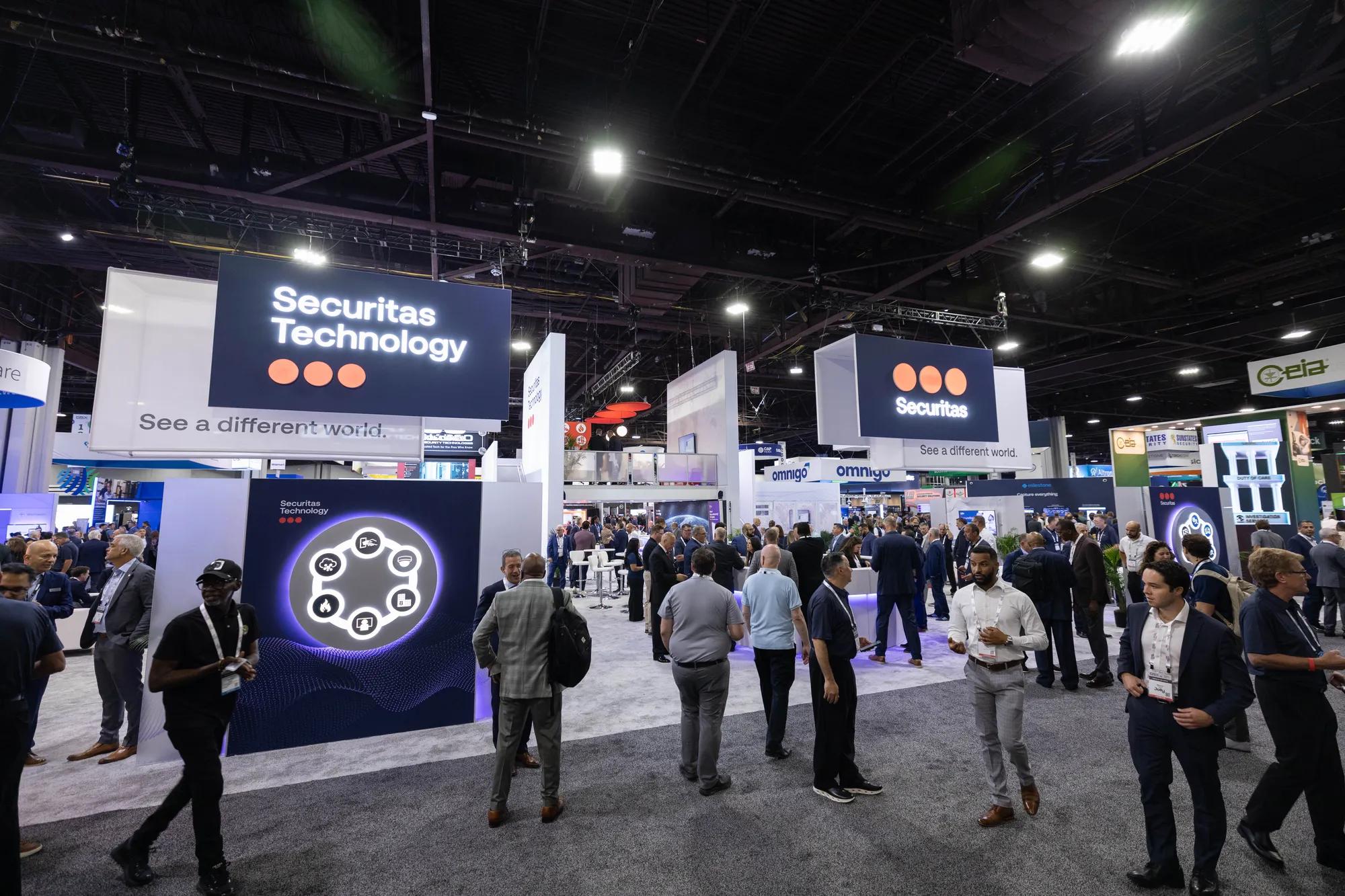
GSX (Global Security Exchange) is one of the world's largest security industry trade shows, bringing together physical security professionals, security technology leaders, risk management experts, and business decision-makers from around the world. At this year's event in Atlanta, Securitas teams met with clients, partners, and industry peers to discuss the security trends, technologies, and strategies shaping the future of the security industry.
From artificial intelligence (AI) and automation to integrated security solutions, remote guarding, and intelligence-led security, several themes emerged throughout the event. To explore these discussions and what they mean for the future of security operations and risk management, we spoke with Mike Evans, Chief Intelligence Officer, SRM; Tommy Zarna, Vice President, Global Clients Americas; and Dr. Serdar Ince, Global Senior Vice President of Innovation and Artificial Intelligence at Securitas Technology, about their key takeaways from GSX 2026.
Turning intelligence into action
One of the clearest themes at GSX was the growing importance of security intelligence, not only to understand risk but to take action before threats escalate.
"Everyone can see the importance of intelligence and understanding risk in today's increasingly volatile, uncertain, complex, and ambiguous threat landscape," says Evans.
"Organizations need help not only with making decisions based on intelligence and risk insights from industry partners but also with turning those decisions into action. There's often a gap between understanding what intelligence means and acting on it, and that's where providers and partners can help deliver better outcomes," Evans continues.
Zarna sees the same trend playing out across modern security operations.
"We continue to see a shift toward integrated guarding. We're seeing a significant opportunity to combine people, technology, remote guarding, intelligence, and risk management. Everyone is talking about AI, but the next evolution is understanding where it practically matters."
For remote guarding, Zarna explains, that means reducing false alarms and allowing officers to focus on real threats, improving efficiency while enhancing security outcomes.
Clients want integrated and proactive security solutions
As organizations face increasingly complex risks, clients are looking for integrated security solutions that help them make faster decisions, simplify operations, and gain greater visibility across their security environments.
"I think the main theme in a lot of discussions is proactivity and automation. Clients are looking for solutions that help them make faster decisions, reduce complexity, and gain better visibility across their environments rather than simply deploying more devices and systems," says Dr. Ince.
That demand is also driving a shift toward more connected security technology platforms.
"Before, organizations typically used multiple bespoke systems: one for alarms, one for access control, and one for visitor management. Today, clients are looking for one system that does everything, and we're seeing a clear shift toward integrated platforms," says Zarna.
Connecting security capabilities through intelligence
"We have the three specializations: technology, services, and risk management. Each brings unique capabilities, tools, expertise, and services that address client needs. We are unique in the industry to have all these services. Walking the GSX floor convinced me that we have the right plan, and what we need now is execution," says Dr. Ince.
For Evans, this convergence represents one of the biggest opportunities in the security and risk management industry.
"If I look at the industry today, you see providers operating in different spaces. You have security services, security technology, and risk management capabilities, but I don't see anyone bringing those together in a meaningful way through intelligence."
"One of the first things we're doing is providing intelligence directly to the frontline, equipping our officers to be more aware, more vigilant, and better prepared to take action early to mitigate threats."
Looking ahead, Evans sees the biggest opportunity in broadening the conversation.
"The immediate opportunity is being able to leverage intelligence to shift the conversation from just being about security to being about risk."
Shaping the future of security
The key takeaway from GSX 2026 was clear: organizations are looking for trusted security partners that can help them navigate an increasingly complex risk landscape by connecting intelligence, expertise, and technology.
Across all three perspectives, one message remained consistent. The future of physical security, security technology, and risk management is becoming more integrated, more proactive, and increasingly focused on helping organizations understand risk and turn insight into action.


