What is a Trusted Advisor in Electronic Security and Why Modern Organisations Need One
Security is moving beyond simply protecting assets and people. For many organisations, it has become a strategic capability one that supports growth, resilience, and long-term decision-making as business environments evolve.
New locations, evolving threats, tighter regulations, emerging technology, and limited resources all create real challenges. Choosing the right security systems is not enough. Security leaders need clarity on what to prioritise, how to stay consistent, and how to minimise costly missteps over time.
That’s why more organisations are rethinking what they expect from a security partner. They’re looking for a trusted advisor in electronic security, not just someone who installs security systems, but a partner who helps them make smarter decisions across security systems integration, monitoring, managed security services, and beyond - at every stage of the security journey.
Key Takeaways
- A trusted advisor helps organisations manage security as a long-term program, not a series of projects.
- Trusted advisors provide ongoing strategy, lifecycle management, and accountability.
- They help organisations scale security consistently across locations and technologies.
- They support better decision-making as risks, regulations, and technology evolve.
What is a Trusted Advisor in Electronic Security?
A trusted advisor in electronic security is a long‑term security partner that helps organisations plan, manage, and evolve their security programs over time. Rather than focusing only on installation, a trusted advisor combines industry insight, operational expertise, and ongoing accountability to help organisations reduce risk, scale consistently, and make better security decisions as their needs change.
The Challenge Many Organisations Face and Why It Matters
Whether you’re responsible for one location or thousands, security complexity often grows faster than internal capacity.
Only 1 in 3 organisations* report having clear security processes in place, highlighting how fragmented approaches leave many teams without consistent standards or guidance.
Common challenges include:
Common Security Challenges | Why They Create Risk |
| Inconsistent electronic security systems and integration standards across locations | Leads to uneven protection and visibility gaps |
| Short‑term decision‑making | Creates technical debt and higher long‑term costs |
| Difficulty scaling security programs | Slows growth and increases operational strain |
| Gaps between security system installation, ongoing monitoring, and long-term performance | Systems degrade without a long-term service plan |
| Too much data, not enough insight | Noise replaces clarity |
Many of these challenges stem from the same underlying issue: security decisions are often made without a clear roadmap or long‑term investment plan. Budgets are approved project by project, systems are added in response to immediate needs, and technology choices are made without visibility into how they will scale, integrate, or be supported over time.
A trusted advisor helps organisations step back and look at security as a program, not a series of isolated purchases. That means developing a security roadmap that aligns priorities, technology, and budgets, so investments are planned intentionally, rather than reactively.
With a roadmap in place, organisations can:
- Sequence investments based on risk, impact, and business needs
- Plan budgets more predictably across years instead of reacting to urgent replacements
- Avoid over‑spending on short‑term fixes that create long‑term complexity
- Ensure new systems fit into a broader, scalable security architecture
- Pair system installations with longer-term service plans
This approach allows security leaders to move from defending individual line items to planning security investments with confidence, backed by a clear understanding of what comes next.
Trusted Advisor vs. Traditional Security Vendor
Trusted Advisor | Traditional Security Vendor | |
| Engagement model | Ongoing partnership | Project‑based |
| Accountability scope | Outcomes, performance, and evolution | Installation and handoff |
| Time horizon | Long‑term strategy and roadmap | Short‑term delivery |
This distinction is why many organisations move away from transactional models as complexity increases.
A Trusted Advisor Is an Extension of Your Team
A trusted advisor doesn’t start with security technology alone - such as video surveillance, access control, or intrusion systems. They start with your business.
Organisations increasingly expect their security partner to understand operational realities, risk priorities, and long‑term objectives, while staying accountable well beyond project completion.
What This Looks Like in Practice |
| Learning your business and operating environment, not just your sites |
| Supporting both daily operations and long‑term planning |
| Staying involved after installation to ensure consistency and performance |
| Road mapping security investments with evolving technology trends |
This approach transforms security from a standalone function into an integrated capability.
How a Trusted Advisor Helps Organisations Scale Security Programs
Employee safety is now the #1 driver of security technology investment, ranked as the single most important factor by 30% of organisations. As organisations grow, maintaining visibility and control becomes harder.
A trusted advisor helps organisations:
- Support local operations and global enterprises alike
- Standardise programs while adapting to regional and regulatory needs
- Align global strategy with local execution
Centralised platforms like the SecureStat HQ® Security Management Platform help teams manage sites, systems, and activity from a single platform. Proactive security technology lifecycle management reduces risk from outdated systems, missed software or firm updates, and unplanned replacements.
Avoiding the “Install and Move On” Trap
Installation is only the beginning.
In Securitas Technology’s 2026 Global Technology Outlook Report, 88% of organisations reported having a formal emergency response plan while only 9% said they were very confident in it. Having systems isn’t the same as having outcomes.
A trusted advisor stays accountable through:
| Post‑Install Service & Support Areas |
| System uptime and reliability |
| Ongoing maintenance and optimisation |
| Lifecycle planning and upgrades |
| Managed and remote services |
Solutions like professional and managed security services and always‑on remote monitoring help reduce operational burden and keep systems aligned with evolving needs.
How Trusted Advisors Help Organisations Navigate Emerging Security Technologies
Security technology is evolving rapidly. More than 70% of organisations have already adopted – or are actively adopting new technologies, such as AI‑enabled security monitoring, cloud-based video surveillance platforms, and expanding data sources. While these changes create opportunity, they also increase complexity.
A trusted advisor helps organisations:
- Identify which trends apply to their environment
- Avoid over‑investing in technology that doesn’t deliver value
- Align electronic security decisions with business priorities
As Mike Beattie, Global CIO & SVP Information Technology at Securitas Technology, notes in the 2026 Global Technology Outlook Report:
“The future of security depends on real‑time insight and proactive management—organizations need partners who can help them turn complexity into confident decisions.”
Why Security Lifecycle Management Requires a Trusted Advisor
A defining trait of a trusted advisor is the ability to support organisations across every security touchpoint, including:
- Design, integration, and installation
- Monitoring and response
- Maintenance and lifecycle planning
- Remote, cloud, and managed services
This holistic approach ensures programs deliver value long after an initial installation system launch.
See how Securitas Technology supports organisations through every stage of the security lifecycle.
Security Expertise Tailored to Your Industry
Security challenges vary by environment. A trusted advisor brings industry expertise and specific insights across retail, banking, critical infrastructure, logistics, and multi‑site operations.
This experience helps organisations anticipate requirements, design practical solutions, leverage existing know-how, and avoid costly rework.
What Clients Gain From a True Trusted Advisor
When organisations describe what they value most in a security partner, the message is clear:
- Learn our business — not just our buildings
- Take accountability for outcomes
- Help us plan, not just respond
- Make us more prepared and confident
- Be present in strategic conversations
These are the benefits that separate transactional providers from long‑term partners and why many organisations choose to deepen their relationship once they experience this approach.
These expectations align closely with the customer-first approach that defines Securitas Technology's partnerships and long-term security programs.
Seeing What’s Next: How a Trusted Advisor Helps Future‑Proof Security
As the security landscape evolves, security leaders are being asked to make decisions now that will affect their organisations years down the line: how to adopt new technology responsibly, how to plan for cloud and AI, how to manage growing data volumes, and how to stay ahead of regulatory and operational change. Making those decisions without reliable insight can lead to over‑investment, missed opportunities, or technology that quickly becomes outdated.
Future‑proofing security requires insight and foresight. Through ongoing research and real‑world experience, Securitas Technology develops its annual Technology Outlook Report to help organisations plan with confidence.
A trusted advisor turns insight into action by helping organisations adopt cloud platforms, deploy intelligent devices, apply AI responsibly, and build security roadmaps that evolve with their business.
Learn more about what makes Securitas Technology a trusted security partner for organisations worldwide.
Frequently Asked Questions
What is a trusted advisor in electronic security?
A trusted advisor is a long‑term security partner that helps organisations plan, manage, and evolve their security programs beyond installation projects.
How is a trusted advisor different from a traditional security vendor?
A trusted advisor focuses on outcomes, accountability, and long‑term strategy, while traditional vendors typically focus only on project delivery.
What should organisations look for when choosing a security partner?
Organisations should look for industry expertise, thought leadership, lifecycle support, scalability, and accountability beyond installation, such as service and monitoring capabilities.
How does a trusted advisor help organisations scale security programs?
By standardising strategy, supporting local execution, and maintaining centralised visibility, as organisations evolve.
What role does a trusted advisor play in technology lifecycle management?
They help plan upgrades, manage assets proactively, and reduce risk from outdated or unsupported systems or software.
Explore the Technology Trends Shaping the Future of Security
Discover how emerging technologies and evolving risks are influencing modern security strategies in our latest Technology Outlook Report.
Stay Ahead With a Trusted Security Advisor
Get expert insights delivered to your inbox or connect with a security expert to discuss your security roadmap.
We help you create a comprehensive security strategy that adapts, grows, and scales with your business, bringing solutions, systems and services together for robust, high-performance security ecosystem. Our end-to-end ecosystem includes:

SecureStat™ HQ Security Management Platform
Simplify security management, connect to our services, and generates security and business insights.
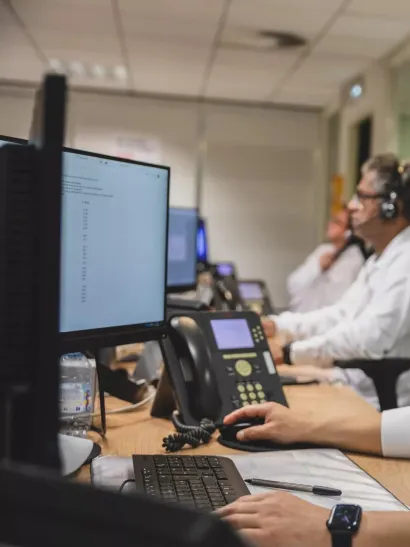
Interactive Security Monitoring
Increase the strength of your security system with our security monitoring services suite from Securitas Technology.
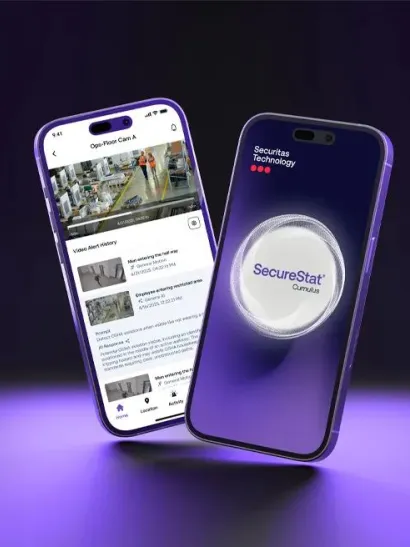
SecureStat ™ Cumulus ™ AI Cloud Video Surveillance
Camera-to-cloud video powered by natural-language GenAI
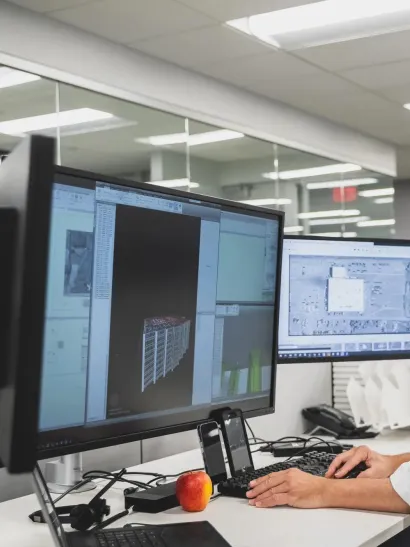
Professional & Managed Security Design Services
From security system integration to security risk assessments, Securitas Technology has vast experience in designing and delivering compliant large-scale commercial electronic security systems, fire alarms, and life safety systems.
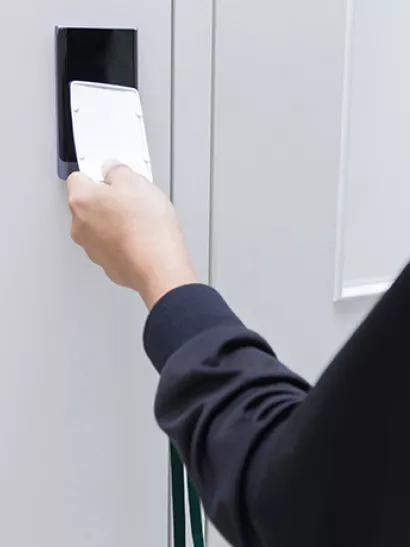
Access Control
Create a safe environment for your employees and visitors.